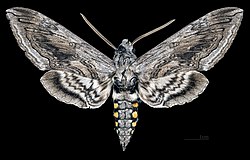
Hornworms are bright green and look similar to caterpillars, but are just hawk moth larvae. These seemingly innocent things are the biggest threat to your garden. (www.cullmantribune.com/2026/07/19/hornworms-masters-of-hide-and-seek)
“I use Bacillus thuringiensis (Bt). This friendly soil bacterium is one of the safest and most effective organic weapons against caterpillars like hornworms and it works in a clever, targeted way,” Cullman County Master Gardener Brad Mitchell stated. “It naturally produces special crystal proteins (called Cry toxins) that look harmless until a hornworm eats them.”
Mitchell explained what happens step by step:
1. Dinnertime for the hornworm
You sprinkle Bt spray or dust on your tomato, pepper or eggplant leaves. The hungry hornworm chomps down and swallows the Bt crystals along with its meal.
2. Activation in the gut
Once inside the hornworm’s alkaline digestive system, the crystals dissolve and turn into active toxins. Think of it like a time-release capsule that only “opens” in the right environment — the caterpillar’s stomach.
3. Disrupting the digestive system
The activated toxins bind to specific receptors in the lining of the hornworm’s gut. They punch tiny holes in the gut cells, causing the digestive tract to leak. Bacteria from the gut then spill into the body cavity, and the caterpillar basically gets poisoned from the inside.
4. Game over
The hornworm stops eating within hours, becomes paralyzed and dies in a day or two. It often looks shriveled or discolored — easy to spot and remove so it doesn’t spread disease to your plants.
- Super selective: It only affects certain caterpillars (like hornworms, cabbage worms and loopers) because they have the right gut receptors. Honeybees, ladybugs, birds, pets and humans are completely unaffected.
- No nasty residues: Bt breaks down quickly in sunlight and leaves no harmful chemicals behind.
- Organic-approved: It’s been used safely for decades by gardeners who want to skip any synthetic pesticides.
Another Master Gardener, John Lynch, expressed his approval for using Bt and suggested adding mesh nets to prevent the moths from laying eggs on your plants.