











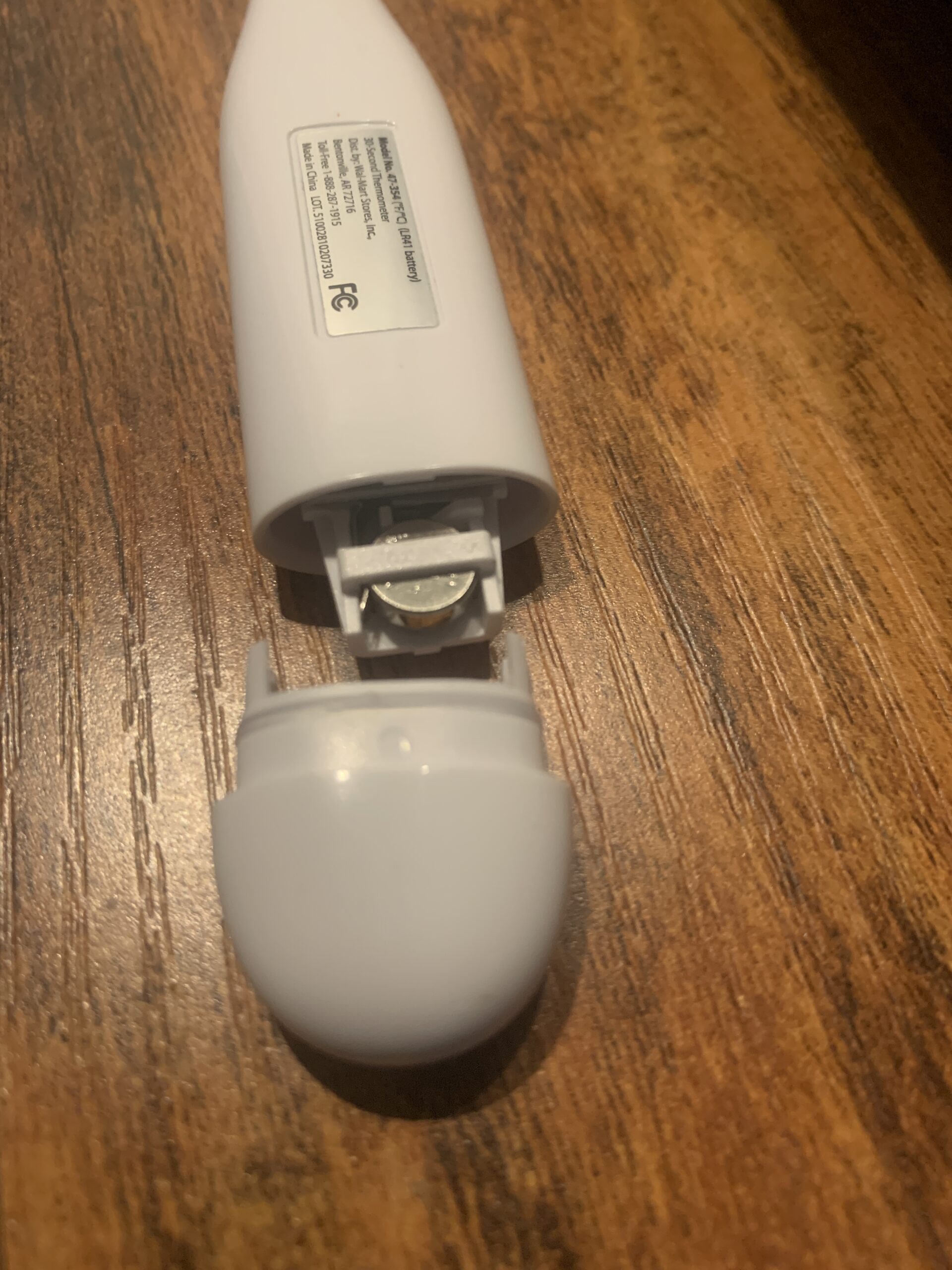
In order to keep your child safe you have to educate yourself on any and all threats. One thing that can be often overlooked is button batteries. Button batteries are disc-shaped batteries that gets their nickname from their resemblance to a button or coin. They are typically 1-6 millimeters in height and 5-25 millimeters in diameter.
When button batteries are ingested, saliva triggers an electrical current. The current creates a chemical reaction that can lead to tissue damage or complications leading to fatality in two hours or less.
While some children have recovered after ingesting button batteries, others have not been so lucky. On average in the United States 2-3 children die each year due to swallowing button batteries.
Do the button battery check!
Button batteries are in common household items you wouldn’t think about.
- Car keys
- Thermometers
- Remote controls
- Hearing aids
- Light-up clothing or shoes
- Talking games, toy, cards and books
- Calculators
- Bathroom scales
- Flashing or light-up jewelry
- Watches
While you may not have everything on this list, how many did you read over that you weren’t aware of? How often have you seen a child play with their parents keys or a talking toy without thinking? How many times did the child drop the toy? It only takes one time for an item containing a button battery to be dropped and for the battery to fall out.
A child can start teething anywhere from 4-6 months. During this phase anything and everything goes into their mouth and they are not able to speak to notify you of any discomfort. This is why it is crucial to do the button battery check. Not only should you check these items, but also be mindful and do your due diligence whenever purchasing toys for your child.
In no way am I suggesting you get rid of your thermometer, car keys or remotes, but keep these things away from your children and be aware of the risk. Being aware and taking precautions can save you from that drive to the emergency room.
Signs your child has ingested a button battery
Your child may appear lethargic, drool excessively, gag and, if your child is able to, may complain of chest pain.
This may be pushed off as signs of needing a nap, general fussiness that comes with everyday life as a baby or teething. It’s important to act on instinct. You know your child best, do not feel silly for getting your child checked to be on the safe side. It is better to overreact than underreact and cost your child their life.
More severe symptoms can occur, like vomiting or noisy breathing and coughing similar to croup cough. Larger button batteries may get stuck in the esophagus and your child may be trying to clear their airway.
What to do if you think your child swallowed a button battery
- Do not try to pry it out with your fingers, especially if you cannot see it in your child’s throat.
- Do not give your child milk or water.
- Do not try to make your child vomit.
- The best thing you can do it take your child to the emergency room as quickly as possible.