



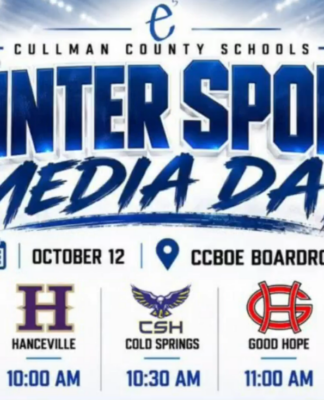




There is a dangerous misunderstanding on social media that needs to be addressed.
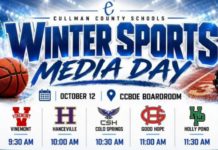
Just because something is posted on Facebook does not mean it is free to copy, paste, screenshot, crop, repost, monetize or pass off as your own.
Facebook is public-facing. It is not public property.
Every day, individuals, small businesses, photographers, media companies, designers, schools, churches, nonprofits and public officials post original content online.
That content may include photos, graphics, written posts, flyers, logos, videos and other creative work. Much of it may be protected by copyright, trademark or both.
Facebook’s own intellectual property policies make that clear. Meta states that users may only post content on Facebook and Instagram that does not violate someone else’s intellectual property rights.
In plain language, if you did not create it, do not own it, did not license it or did not receive permission to use it, you should not treat it as yours.
This does not mean basic facts are off limits. Facts cannot be copyrighted. A meeting date, a game score, an event time or the fact that something happened may be reported by anyone.
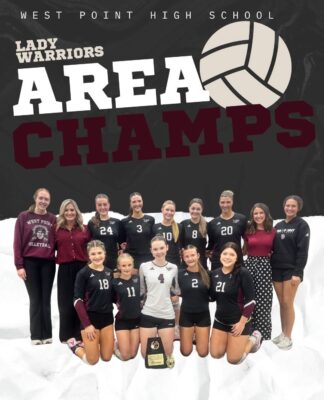
But the original words used to present those facts may be protected. The photo attached to the post may be protected. The flyer design, logo, graphic, headline, caption or video may be protected.
That is where too many people cross the line.
There is a difference between reporting information and stealing work.
A legitimate news outlet, business page, community organization or individual may use Facebook to inform the public.
That does not give a blog, page or person the right to lift the post word for word, grab the photo, crop out the logo, remove the credit and publish it somewhere else for clicks, shares, ad revenue or attention.
Giving credit is not the same as getting permission.
Writing “credit to the owner” does not cure infringement. Saying “no copyright intended” does not cure infringement. Finding the image on Facebook does not make it free.
The same is true for the phrase “fair use.”
Fair use is real. It protects commentary, criticism, parody, education, research and news reporting in appropriate circumstances. But it is not a magic shield.
Under U.S. copyright law, fair use depends on four factors: the purpose and character of the use, the nature of the copyrighted work, the amount and importance of the portion used and the effect of the use on the market for the original work.
Commercial use matters. If a page or blog is making money from traffic, ads, sponsorships, subscriptions, boosted posts or engagement built on someone else’s work, that can weigh against fair use.
So does the amount copied. Taking an entire photo, entire article, entire graphic or entire post is much harder to defend than using a limited portion for legitimate commentary or reporting.
So does market harm. If the copied work replaces the original, diverts readers away from the creator, weakens traffic, damages a brand or allows another page to profit from work it did not produce, that matters.
This is especially important for local journalism and small businesses.
Photos, reporters, designers and the time all costs money. A community newspaper, photographer, nonprofit or small business may spend hours creating work, only for another page to copy it in seconds and benefit from it.
That is not community service. That is taking.
The penalties can be serious. In copyright cases, a rights owner may be able to recover actual damages and profits tied to the infringement.
In applicable cases, statutory damages can range from $750 to $30,000 per infringed work.
If willful infringement is proven, that amount can rise as high as $150,000 per work. Courts may also award costs and attorney’s fees in certain cases.
Trademark violations can also carry consequences, including recovery of profits, damages and costs. In some cases, courts may increase damages, and attorney’s fees may be available.
Facebook and Instagram may also remove infringing content. Repeat intellectual property violations can lead to limits on posting, loss of features, account disablement or removal of a page.
This is not about stopping people from sharing public information. It is not about keeping community news quiet. It is not about silencing criticism.
It is about basic accountability.
If you want to share a post, use Facebook’s share function when available. That keeps the content connected to the original source.
If you want to use a photo, graphic, article, flyer or video, ask permission.
If you want to quote from a story, quote only what is necessary, attribute it properly and direct readers to the original source.
If you want to report the same information, do your own work. Make calls. Confirm facts. Write your own copy. Use your own photos. Create your own graphics.
That is how honest publishing works.
If someone steals your content, document it immediately. Take screenshots. Save the link. Note the date and time. If it involves a business, organization, photographer, media outlet or individual creator, notify the original rights holder so that person or organization can decide whether to file a complaint.
Facebook’s direct copyright complaint form is available here:
www.facebook.com/help/contact/copyrightform
Facebook’s direct trademark complaint form is available here:
www.facebook.com/help/contact/trademarkform
Meta’s intellectual property help center is available here:
www.facebook.com/help/intellectual_property
Only the rights owner or an authorized representative should file an intellectual property complaint. False or misleading reports can also carry consequences, so complaints should be made carefully, truthfully and with documentation.
But when content is stolen, it should be reported.
Not ignored. Not excused. Not defended as “everybody does it.”
The internet did not erase ownership. Facebook did not erase copyright. A screenshot did not erase permission.
If a community wants honest information, it must also respect the people who produce it.