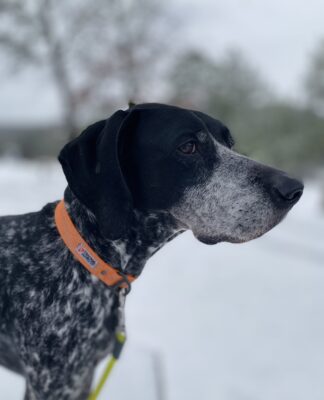











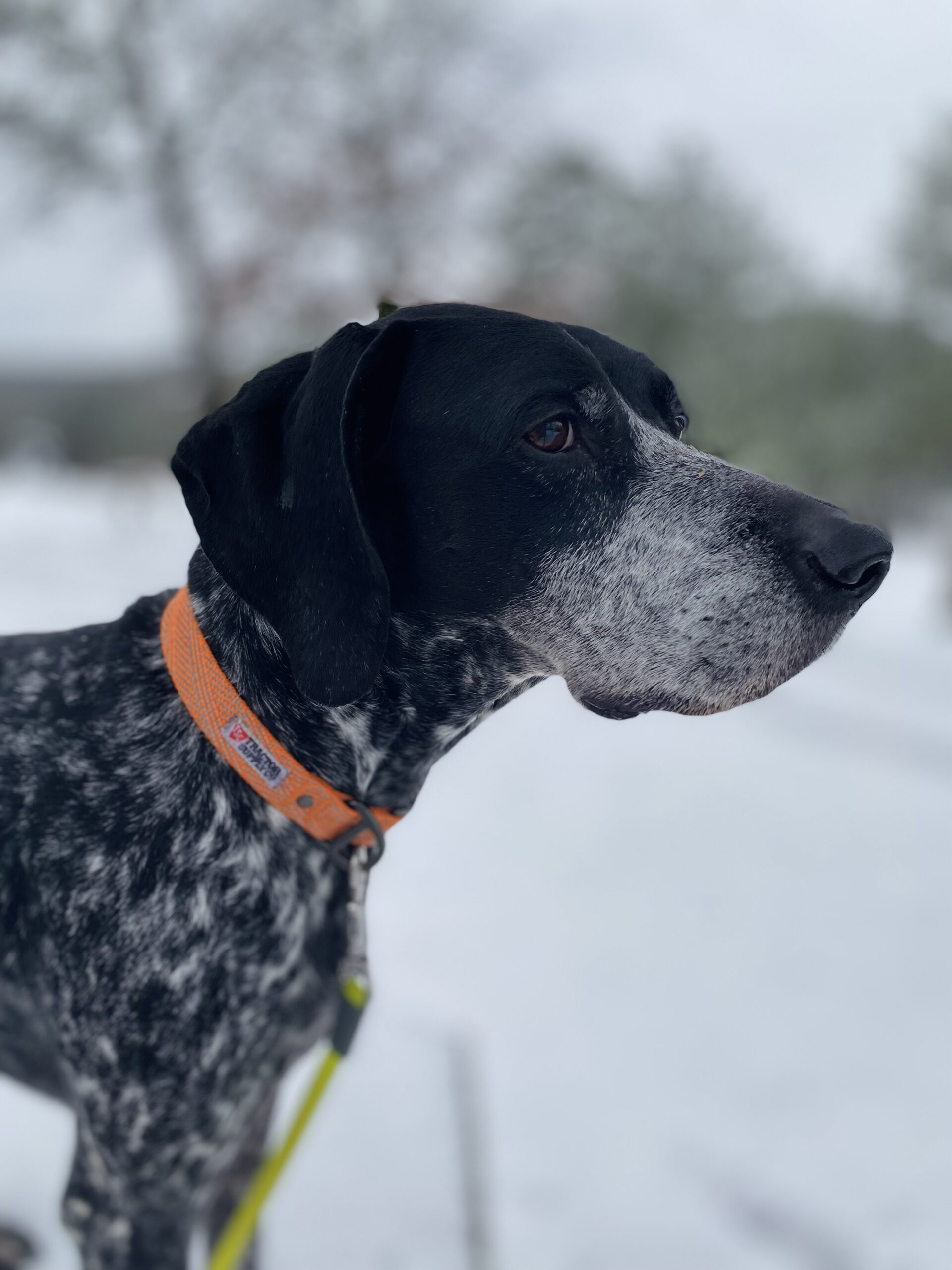
As colder temperatures make their way into north Alabama, pet owners are encouraged to take precautions to ensure animals kept outdoors have adequate shelter, warmth and protection from winter weather. With Alabama’s new Beau’s Law now in effect, providing proper care for outdoor dogs is not only a matter of responsible pet ownership but also a legal requirement.
Beau’s Law, which took effect Oct. 1, 2026, establishes statewide standards for dogs kept outdoors, including requirements for shelter, food, water and tethering. The legislation, sponsored by Sen. Garlan Gudger, R-Cullman, was inspired by a dog named Beau who gained statewide attention after being found chained outside during a snowstorm without adequate protection from the elements.
Under the law, outdoor dogs must have access to shelter that protects them from rain, wind, snow and extreme temperatures. Shelters must be constructed from durable materials and include a solid floor, walls, a roof and an appropriate entrance that allows the animal to enter and exit freely.
The structure must also be large enough for the dog to stand, turn around, lie down naturally and extend its limbs comfortably. Adequate ventilation, shade and protection from accumulated moisture are also required.
While a basic doghouse may provide some protection, pet owners should take additional steps to prepare outdoor shelters for freezing temperatures.
Elevating a doghouse off the ground can help prevent moisture from entering and reduce heat loss through the floor. Positioning the entrance away from prevailing winds and installing a weather-resistant flap can provide additional protection from cold drafts.
Insulation can also help retain warmth, particularly when installed in the walls, roof and floor of the shelter. Any insulation should be securely enclosed to prevent animals from chewing or ingesting the material.
Bedding is another important consideration. Clean, dry straw is often recommended for outdoor shelters because it provides insulation and is less likely to retain moisture than blankets or towels. Fabric bedding can become damp, freeze and actually make an animal colder when exposed to winter conditions.
Pet owners should inspect bedding regularly and replace it whenever it becomes wet or soiled.
Fresh drinking water is equally important during the winter months. Water bowls can freeze when temperatures drop below freezing, leaving outdoor animals without access to drinking water. Owners should check water supplies frequently and consider using outdoor-rated heated water bowls when appropriate.
Beau’s Law also establishes requirements for outdoor enclosures and tethering. Dogs confined outdoors must have adequate space to move freely within a secure, fully fenced enclosure and continuous access to appropriate food, water and shelter.
The law generally prohibits tethering dogs directly to stationary objects, such as trees or poles, without an approved trolley system. Tethers must be appropriately sized, attached to a properly fitted collar or harness and positioned to prevent tangling or injury. Certain working dogs and temporary activities are exempt from specific provisions of the law.
Although proper shelter can reduce exposure to the elements, it does not eliminate the dangers associated with prolonged cold weather.
Puppies, senior dogs, small breeds, short-haired animals and pets with existing health conditions are especially vulnerable to hypothermia and other cold-related complications. Even dogs with thick coats can be at risk during extended periods of freezing temperatures, particularly when exposed to wind or moisture.
Warning signs of cold-related distress may include persistent shivering, weakness, lethargy, difficulty walking and unusual behavior. Animals exhibiting these symptoms should be moved into a warm, dry environment and evaluated by a veterinarian.
During freezing temperatures, bringing pets indoors remains the safest option. A heated garage, enclosed utility room or other appropriately heated space can provide additional protection when animals cannot remain inside the main living area. Any such space should be properly ventilated and free of hazards.
Residents who notice animals left outdoors without adequate shelter, food or water are encouraged to contact their local animal control agency or law enforcement.
Violations of Beau’s Law can result in misdemeanor charges, with penalties increasing for repeat offenses. The legislation also allows authorized law enforcement officers to intervene when an animal’s life is believed to be in danger.
As winter approaches, pet owners are encouraged to inspect existing outdoor shelters, repair damaged structures, replace worn bedding and make arrangements to bring animals indoors during periods of extreme cold.
A few simple preparations can make a significant difference in keeping pets safe, healthy and comfortable throughout the winter months.
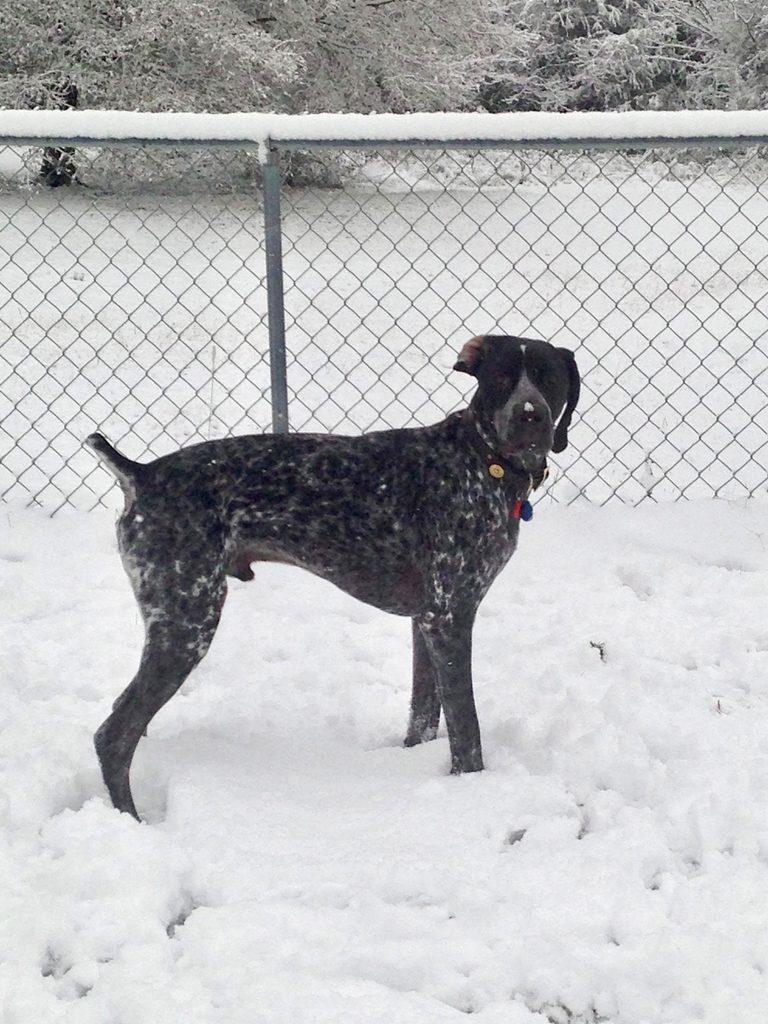
As colder temperatures make their way into north Alabama, pet owners are encouraged to take precautions to ensure animals kept outdoors have adequate shelter, warmth and protection from winter weather. (Heather Tubbs)