










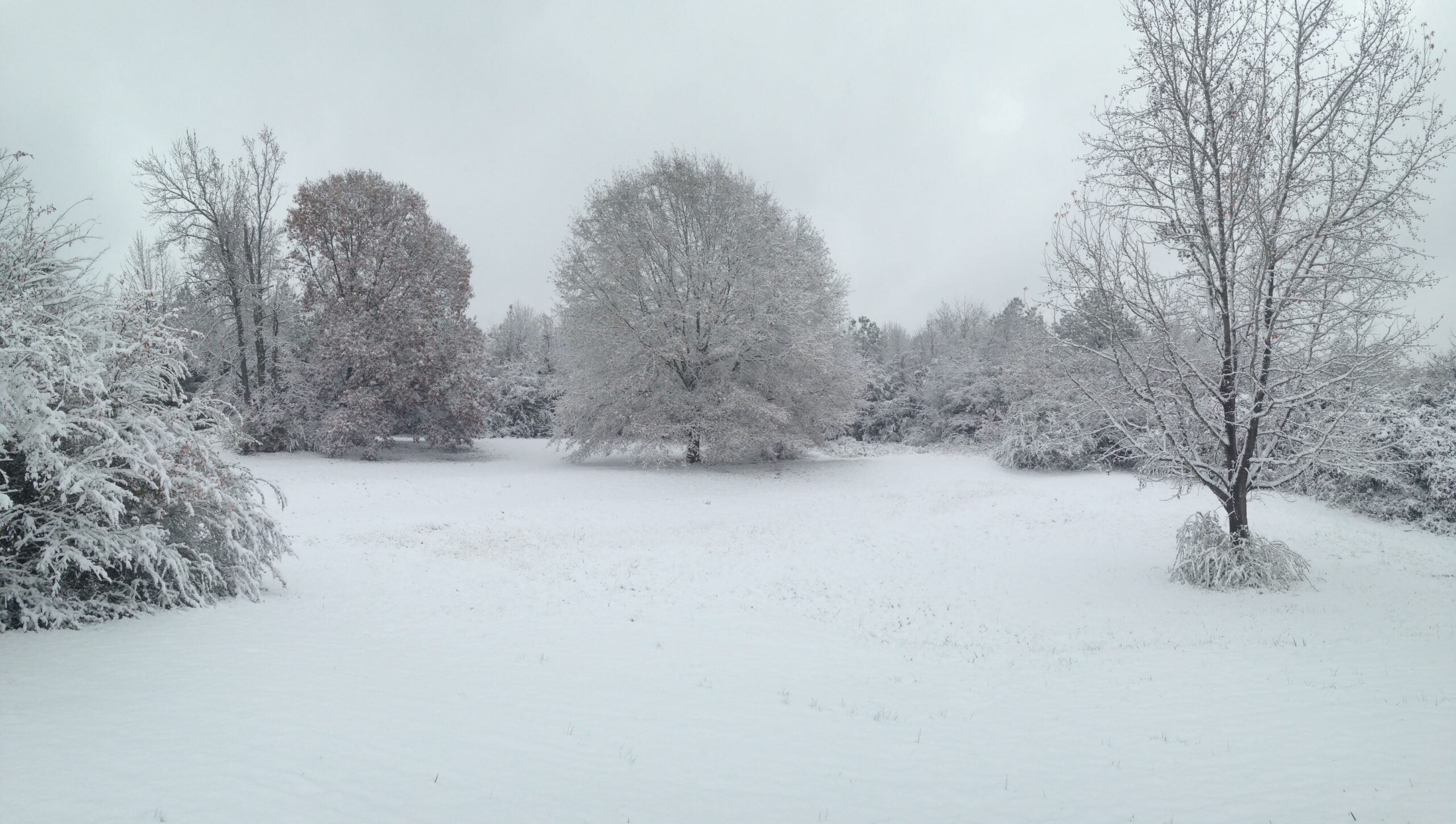
CULLMAN, Ala. – As temperatures begin to drop and winter approaches, Cullman County residents are encouraged to take a few simple precautions to prepare for whatever Mother Nature may have in store.
While Alabama may not experience the harsh winters seen in northern states, freezing temperatures, icy roads and occasional winter storms can still create dangerous conditions. From frozen pipes to unexpected power outages, a little preparation now can help prevent costly repairs and stressful situations later.
Protecting your home from the cold
One of the most common winter weather concerns for homeowners is frozen pipes. When water freezes inside a pipe, it expands, potentially causing the pipe to burst and leaving homeowners with expensive water damage.
To help prevent frozen pipes, residents should insulate exposed plumbing, particularly in crawl spaces, attics, garages and along exterior walls. During especially cold weather, opening cabinet doors beneath sinks can allow warmer air to circulate around plumbing.
Allowing a small trickle of water to run from faucets served by vulnerable pipes may also help prevent freezing. Residents should know where their home’s main water shutoff valve is located in case a pipe bursts.
Other important home preparations include checking weather stripping around doors and windows, cleaning gutters, inspecting roofs for damage and ensuring heating systems are functioning properly.
Space heaters should always be placed on a flat, stable surface at least 3 feet away from furniture, curtains, bedding and other flammable materials. They should be plugged directly into wall outlets, never extension cords or power strips, and turned off before leaving a room or going to sleep.
Residents should also test smoke alarms and carbon monoxide detectors and replace batteries when necessary.
Preparing for power outages
Winter storms can bring down trees and power lines, leaving homes without electricity for hours or even days. Having an emergency supply kit readily available can make an unexpected outage much easier to manage.
The Federal Emergency Management Agency (FEMA) recommends keeping enough supplies to sustain each household member for at least 72 hours.
Some essential items to have on hand include:
- Drinking water, with at least one gallon per person per day
- Nonperishable foods and a manual can opener
- Flashlights, lanterns and extra batteries
- Fully charged portable phone chargers
- Blankets, warm clothing and extra socks
- Prescription medications and a first-aid kit
- Baby supplies, pet food and other household necessities
- A battery-powered or hand-crank weather radio
- Hygiene products, including wipes and hand sanitizer
- Cash in small denominations
Residents who rely on electrically powered medical equipment should make arrangements for a backup power source or an alternate safe location before severe weather arrives.
During an outage, refrigerators and freezers should remain closed as much as possible. According to the U.S. Department of Agriculture, a refrigerator generally keeps food safe for approximately four hours without power, while a full freezer can maintain a safe temperature for approximately 48 hours if left unopened. A half-full freezer typically maintains its temperature for about 24 hours.
Generators should never be operated inside homes, garages, basements or enclosed porches. Portable generators must be kept outdoors at least 20 feet away from doors, windows and vents to reduce the risk of deadly carbon monoxide poisoning.
Charcoal grills, camp stoves and outdoor propane heaters should also never be used indoors for heating or cooking.
Don’t forget about your vehicle
Winter preparedness extends beyond the home. Even a short trip can become dangerous when roads are icy or temperatures drop unexpectedly.
Before winter weather arrives, drivers should inspect their tires, check tire pressure, test their batteries and ensure windshield wipers and defrosters are working properly.
Keeping a vehicle’s gas tank at least half full is also a good precaution during winter weather, particularly when travel delays or emergency road closures are possible.
An emergency kit stored in the trunk or back seat can be invaluable if a driver becomes stranded.
Recommended supplies include blankets, gloves, hats, bottled water, shelf-stable snacks, a flashlight, jumper cables or a portable jump starter, a phone charger and a basic first-aid kit. A small shovel, ice scraper and traction material such as sand or kitty litter can also be useful.
Drivers should check weather forecasts and road conditions before traveling and avoid unnecessary trips when icy conditions are expected.
Bridges, overpasses and shaded roadways can freeze before other surfaces, even when roads appear clear. Motorists should reduce their speed, increase following distances and avoid sudden braking or steering movements.
If stranded in winter weather, drivers should remain with their vehicles when it is safe to do so and contact emergency services if needed. Anyone running a vehicle’s engine for warmth should first ensure the exhaust pipe is clear of snow or other obstructions to prevent carbon monoxide buildup.
Remember pets and outdoor animals
Cold weather can be dangerous for animals, particularly those that spend extended periods outdoors.
Pet owners should provide a warm, dry shelter protected from wind and precipitation. Outdoor shelters should be appropriately sized, elevated from wet ground when possible and filled with dry straw for insulation.
Blankets and towels may seem like a comfortable option, but they can absorb moisture and freeze, making straw a better choice for many outdoor animal shelters.
Water bowls should be checked frequently to ensure they have not frozen, and pets should have access to fresh drinking water.
Whenever possible, pets should be brought indoors during freezing temperatures, particularly overnight. Young, elderly, short-haired and medically vulnerable animals may be especially susceptible to cold-related illness.
Check on neighbors and loved ones
Winter preparedness is also an opportunity to look out for others in the community.
Older adults, individuals with disabilities and residents living alone may need additional assistance preparing their homes or obtaining emergency supplies.
Checking on neighbors before and during severe weather can help ensure everyone has adequate heating, food, water and necessary medications.
Residents should also make a family emergency plan that includes important phone numbers, an alternate meeting location and a way to communicate if cell service becomes unreliable.
Stay informed before storms arrive
Because winter weather in Alabama can develop quickly and conditions can vary significantly across short distances, residents should monitor reliable weather forecasts and local emergency announcements.
The National Weather Service in Huntsville provides forecasts, watches and warnings for Cullman County and surrounding areas. Residents can also follow the Cullman County Emergency Management Agency for local preparedness information and emergency updates.
Those interested in receiving weather alerts should enable Wireless Emergency Alerts on their phones and consider keeping a NOAA Weather Radio available as a backup.
Although Cullman County may see more chilly rain than snow most winters, it only takes one significant cold snap or ice storm to disrupt everyday routines.
Taking a little time now to insulate pipes, stock emergency supplies, prepare vehicles and check on loved ones can make a major difference when temperatures fall.
When it comes to winter weather, being prepared is always better than being caught off guard.