This feature originally ran in our Community Matters magazine in April.
Unsheltered International is a nonprofit organization that offers help and hope to the unsheltered in our community. President and Executive Director Travis Sharpe said the nonprofit helps many people.
A day in the life at Unsheltered International can be different, well, daily. Workers maintain the tiny home village, participate in street outreach and more. Sharpe said he usually begins his days in the Unsheltered International Ministry Center.
The Ministry Center is a sanctuary through which the nonprofit provides clothing, hygiene products, food and encouragement. There, Sharpe and his Assistant and Chief Financial Officer Tara Philyaw tackle many challenges and successes. Philyaw oversees day-to-day finances and administration aspects of the business side of the ministry.
The Ministry Center is typically where the entry process for housing begins. Sharpe said the process ensures the program is a proper fit for individuals.
“We truly want them to stay with us for as long as they will, he said. “The entry process gives them time to decide if they want to commit for one to three years.”
Sharpe explained the three phases of the unsheltered center. Phase one is the shortest, with a minimum stay of three months, that prioritizes stabilization and ministry. There are discipleship courses and relapse prevention courses offered that allow participants to feel stable. This is an important period because it allows them to feel safe and secure.
“One thing that’s common with people who suffer on the streets, or just go through homelessness, is that it’s traumatic. They go into survival mode – which we all would. It takes a while to get out of that mind space. Phase one is designed to let them breathe. It is highly structured,” he explained.
Once discipleship classes and things of that nature are completed, phase two is introduced.
“Phase two is where we try to get them employed,” said Sharpe. “We don’t loosen the accountability in phase two, but this is where the structure begins to loosen.”
He reiterated that the goal once an individual is introduced into the program is to help them properly transition from the program successfully in one to three years.
Sharpe clarified, “In other words, as they gain trust and as they gain, and earn, the ability to operate on their own – then the structure loosens. In phase two, prayerfully, this is where they’re gaining employment and their bookwork kind of becomes more advanced, though it’s less bookwork.”
Phase two can take roughly 18 months. They will continuously attend church as well as begin with the Church Life Group before moving on to phase three.
“The third phase is when structure begins to lighten up for them. They can really begin to function like you and I would on a daily basis,” Sharpe said. “That’s when we’re helping them simply maintain a job among everything they’ve learned. Now they’re living here and operating within our program, still have accountability, structure, but they’re able to live a day-to-day life like any normal person would live.”
Sharpe explained this is when they continue to give the participants time to work at Unsheltered and remain stable. This is up to a 36-month period before they move out.
While the participants are working, they are charged a monthly program fee. Half of that expense is put back for them in an escrow account. This allows them to understand the importance of saving, but also helps them have money to work with once they’re graduated from the program.
“If their program fee is $500 a month and they’re in the program for 36 months, that’s $250 a month going into their escrow account. So when they move out, they would have $9,000 available to them for the move out expenses,” Sharpe elaborated.
The Unsheltered International Ministry Center also has a food pantry. This is open on Mondays from 9 a.m.-5 p.m., except for noon-1 p.m. when it’s closed for lunch. They accept volunteers to assist with preparation, stocking and serving. Sharpe said they serve an average of 50-80 families every Monday.
In 2025, Unsheltered served 1,395 households with a total of 3,516 members that totaled to $257,472 worth of goods and services to the community and over 5,000 lives touched through the ministry.
To put this into perspective, Unsheltered’s blog noted that In January 2024 it provided $5,759 of goods and services. Whereas January 2026 saw $19,210 go to goods and services for the community.
Food isn’t the only thing offered on Mondays. Service to the community can range from meals, groceries, counseling and showers. Volunteers assist with keeping these areas of use clean and much more.
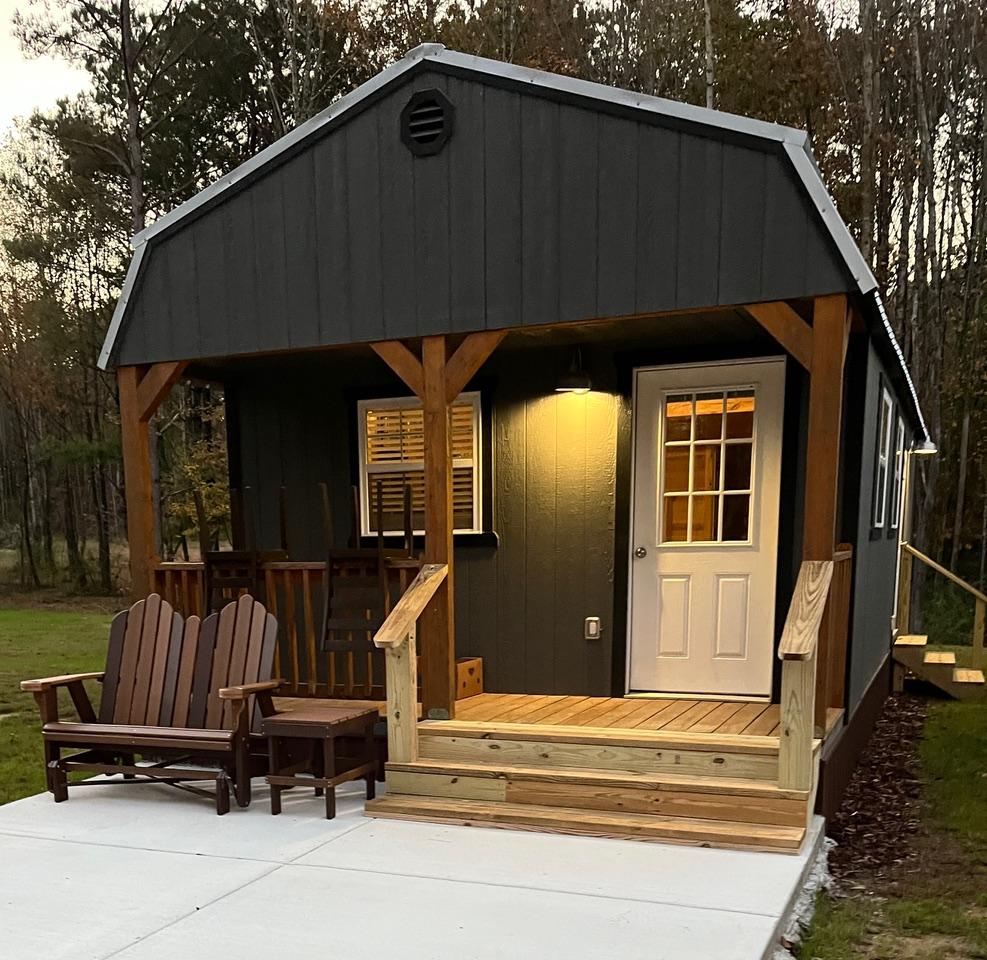
The Village, as described by Unsheltered International, is not just about providing shelter, but about transformation. This is an intentional and faith-based tiny home community that uses discipleship, responsibility and education to assist program participants in achieving their goals and embracing their potential.
The Village is not limited to those who just need a house. If someone is misplaced from a home and needs temporary assistance, Unsheltered International can operate on a case-by-case basis. This includes when pets are involved.
The Village came to fruition in 2020. There are currently five tiny homes, but the nonprofit is aiming for over 20 to be built. They typically house people anywhere from 2-3 years.
Unsheltered International may be known to the community through its ministry and word of mouth, but don’t forget about its street outreach. Shape advised Unsheltered has very specific principles when working with unsheltered people.
He stated, “Instead of process – I would use the word principles. We have very specific principles.”
He said processes are hard to maintain since it can be difficult to navigate sheltering and earning the trust of unhoused individuals. “We let principles guide us. One of our biggest principles is mercy and compassion. How would we want to be treated if that was us?”
Sharpe posed the question, “How would the Lord treat someone that calls us and reaches out for help?”
He said that while it is good to lead by those principles you also have to help people learn accountability and more things beyond “band-aid help.” Unsheltered does offer temporary help and relief, of course, but the goal is to offer long-term solutions by keeping the best interests of the individuals in mind.
“We want to work people toward a solution where their life can be better,” said Sharpe.
When it comes to the bigger picture he advised, “The whole point of our ministry is to reach people with the gospel and make disciples. If we can’t do that we’ve missed our mark. It’s about Christ.”
Find out more about Unsheltered International at www.unsheltered.org.