







When I travel, I usually ask a local resident what we should see and where we should eat. In Brunswick, Georgia, the first thing the young hotel clerk told us that we should see was Christ Church. She said, “You have to visit Christ’s Church on St. Simons, as well as the lighthouse there, and Driftwood Beach on Jekyll Island.” She also told us if we have any interest in old graveyards to check out the one at Christ Church. Since I am fascinated by old church buildings and graveyards, I put those at the top of our agenda.
We passed the church while we searched for the ruins of the community of Frederica and the fort. When we went back to see the church, we walked among the tombstones first. I found some who were buried there in the early 1800s. The oldest one dated back to 1803. The cemetery was quite beautiful with its old historic tombstones and massive hovering oaks. A waist-high brick wall wrapped around the perimeter of the graveyard. Every few feet, the brick mason had left out bricks in order to form holes in the wall in the shape of crosses.
A historic marker pointed out the Wesley Tree. That was the very spot where Charles Wesley, along with British General James Oglethorpe and about 20 local settlers, had prayer on March 14, 1736. Rev. Wesley also preached there that day. A month later, his brother, John Wesley, took charge of the new mission which had been established there by the Church of England. Rev. John Wesley, who was rector of Christ Church Episcopal Church in Savannah, was then appointed to also serve the new mission, then under the name of St. James.
Some 40 years later, the church survived the Revolutionary War. During the American Civil War, the church also survived, but the church building did not. The first church building was badly damaged during the Revolutionary War and then completely destroyed in 1862 during the Civil War. After the building was destroyed, worship services were once again held under the oaks, just like back in the beginning with the Wesley brothers.
Some 17 years later, Anson Greene Phelps Dodge Jr. arrived on the island to work in his family’s lumber mill. He found the ruins of the church and fell in love with the idea of reviving it. He became more interested in the church than in the lucrative family lumber business. Then, in 1880, he also fell in love with his cousin, Ellen Ada Phelps Dodge and married her. Three years later, while on a trip to India, his wife contracted cholera and died. Rev. Dodge brought her body back to the island and buried her in the cemetery there.
Under Rev. Dodge’s leadership, construction began on the new church building. Dodge was named as rector of the church and ordained to the priesthood. In 1884, the new sanctuary was dedicated to the memory of his late wife and her body was exhumed and reburied under the altar in the church. When Dodge died in 1898, he was buried in the church graveyard and his wife was once again exhumed and reburied beside him. Several other Dodge family members were buried in the family plot, including Dodge’s second wife Anna Gould Dodge. Her grandfather served as the lightkeeper of the island’s only lighthouse.
If this story sounds familiar, American author Eugenia Price wrote a New York Times bestselling trilogy in the 1960s and 70s, based on the Gould and Greene families and their lives on St. Simons Island.
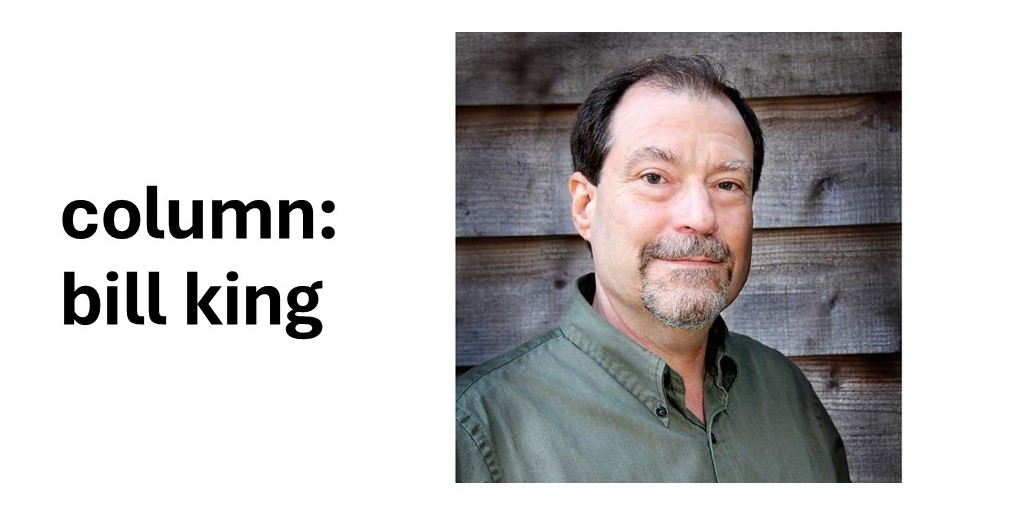
Bill King can be reached at bkpreach@yahoo.com.