








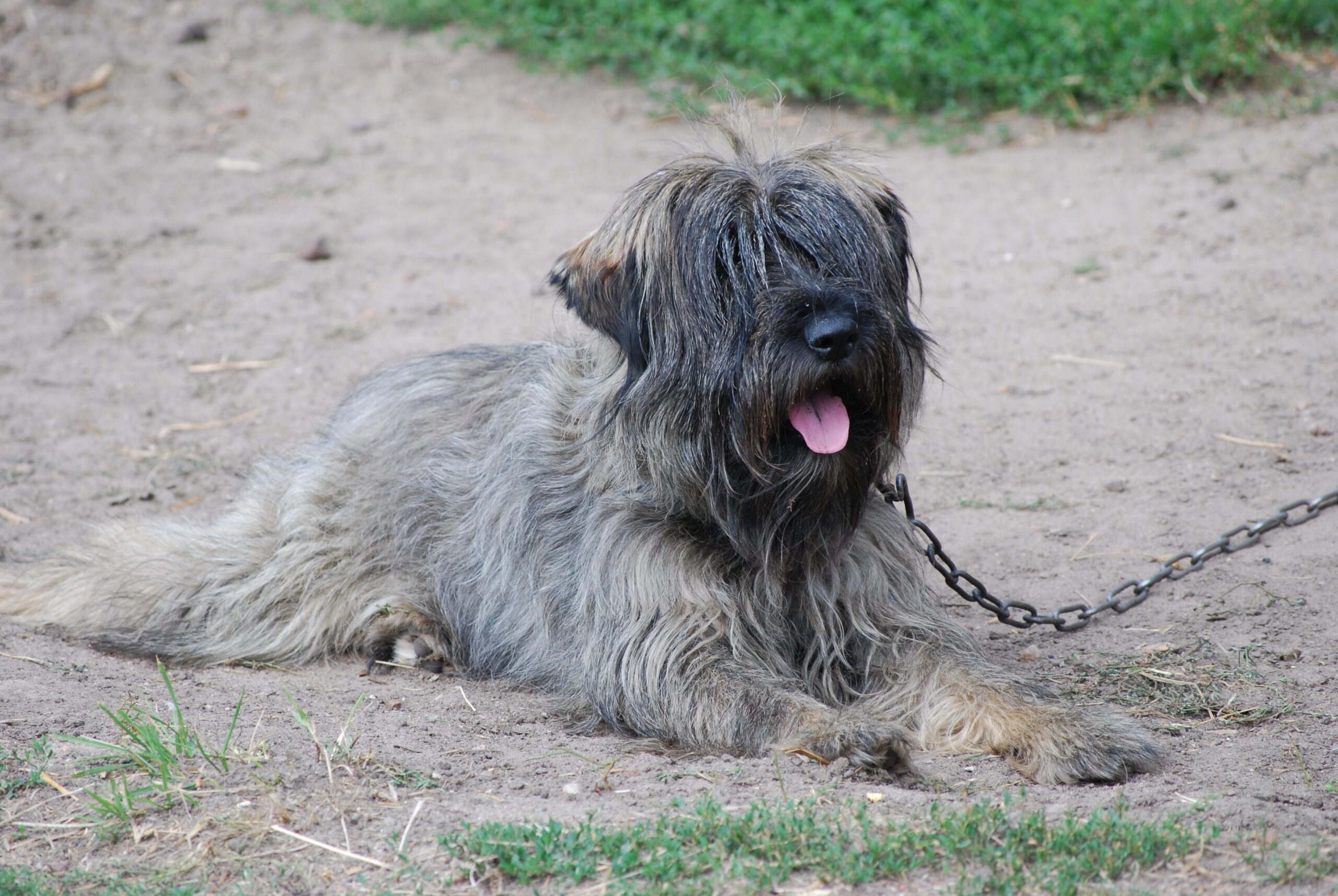
CULLMAN, Ala. – The Cullman Police Department is encouraging dog owners to review Alabama’s new care, shelter and tethering requirements for outdoor dogs before Beau’s Law takes effect Oct. 1, 2026.
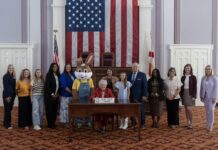
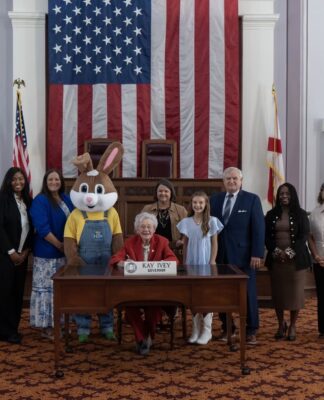
The legislation, introduced as Senate Bill 361 and sponsored by Senate President Pro Tem Garlan Gudger, R-Cullman, was signed by Gov. Kay Ivey earlier this year.
The CPD’s Animal Control notice outlines requirements for keeping dogs outdoors and misdemeanor penalties that increase for repeat violations.
The law takes its name from Beau, a dog found outside in cold weather with cardboard for shelter, according to Alabama Daily News’ reporting.
In The Tribune’s April 16 coverage, Cullman County Animal Control Director Rodney Banister said defining adequate shelter would help agencies address conditions they regularly encounter.
“The main issue is it defines ‘shelter’; animal control agencies across the state have needed this for a long time,” Banister said.
He added this week that Beau’s Law is expected to give animal control agencies clearer authority to address neglect involving dogs before conditions escalate into serious cruelty cases.
“The common type of neglect cases are no shelter and starvation,” Banister said. “We work several of these cases and they are arrested and sent to prosecution by the Cullman County District Attorney’s Office. Tethering can also be part of a broader pattern of neglect, particularly when dogs become tangled or are unable to move freely. This is often combined with improper shelter and lack of proper sustenance.”
Food, water and shelter
The law establishes standards for adequate food and potable water, requiring sufficient amounts at suitable intervals to prevent starvation, dehydration or significant health risks.
Dogs subject to its tethering and enclosure requirements must have continuous access to food, water and shelter.
For dogs kept tethered or confined outdoors, shelter must protect them from the elements and provide enough room to stand, turn around, lie down normally and extend their limbs.
It must be enclosed with an entrance and solid floor, built from durable materials, adequately ventilated and free of accumulated waste, standing water and debris.
The shelter must also provide shade and cold-weather bedding when necessary. Dogs must have unrestricted access to it, according to the legislation.
Outdoor enclosures must be secure and fully fenced, provide adequate room for movement and keep the dog on the property of its owner or caretaker.
Tethering restrictions
Unless an exception applies, dogs may not be tethered to stationary objects such as trees, poles or structures without a trolley system meeting the law’s requirements.
The tether must connect to a properly fitted collar or harness and have swivels at both ends to reduce tangling. It cannot be unreasonably heavy for the dog, and each tether may connect to only one dog.
Logging chains, choke collars and pinch collars are prohibited for tethering.
The tether’s placement must prevent entanglement with objects or other animals, keep the dog on the owner’s or caretaker’s property and avoid edges or obstacles that could cause injury or strangulation.
Penalties and enforcement
The CPD outlined the following potential penalties:
- First violation: Class C misdemeanor, with up to three months in jail and a fine of up to $500.
- Second violation: Class B misdemeanor, with up to six months in jail and a fine of up to $3,000.
- Third and subsequent violations: Class A misdemeanor, with up to one year in jail and a fine of up to $6,000.
Those figures reflect Alabama’s standard misdemeanor jail limits and fine limits. Violators must also pay the dog’s boarding and veterinary care costs.
With probable cause of a violation, a certified law enforcement officer may order care at the owner’s expense or remove a dog believed to be in life-threatening danger. Those actions are subject to statutory hearing and disposition procedures.
Exceptions
The law distinguishes between exceptions to its tethering and enclosure rules and broader exemptions.
Specified veterinary, boarding, shelter, grooming, training and dog-event circumstances are exempt from the tethering and enclosure provisions, as are service or assistance dogs, leash walking and necessary temporary restraint.
Commercial breeders licensed by the U.S. Department of Agriculture as Class A dealers are also exempt from those provisions.
Separate exemptions cover specified agricultural, hunting and retrieving dogs, along with certain temporary restraint near businesses, at campsites, in recreation areas or at home, subject to conditions including reasonable duration considering the weather.
Existing animal cruelty and neglect laws remain enforceable. The full exceptions appear in Sections 2 and 4 of the act.
In The Tribune’s April coverage, Cullman County Animal Shelter Director Andrea Hudson said the shelter planned public education about the requirements and encouraged residents struggling to comply to reach out.
The CPD likewise encouraged owners to familiarize themselves with the law before October.
“Responsible pet ownership means providing our animals with proper care, protection, food, water, and shelter,” the department said.
Police Chief Joey Duncan said the goal at the CPD is education, compliance and protecting the welfare of animals in our community.
“Beau’s Law is about responsible pet ownership and making sure dogs in our community receive the basic care, protection, food, water and shelter they deserve,” he said. “With the strong support of Mayor (Woody Jacobs) and the Cullman City Council, we recently made our Animal Control position a full-time, certified police officer position. This is a significant step forward for our community. It gives us a dedicated officer who can respond more effectively to animal-related calls, investigate cases, enforce applicable laws, educate pet owners and work closely with our community to address animal welfare concerns. We appreciate the Mayor and Cullman City Council recognizing the importance of this position and investing in the safety and well-being of both our residents and animals.”