

As fall approaches the city of Cullman, there are several things we know to expect for certain. You can always count on autumnal treats and beverages added to the menus of local coffee shops or eateries. Windows will be painted in pumpkins or leaves of various warm hues and decorations all the same will greet those along their walks to a downtown shopping spot. With all that the season brings, Cullman Oktoberfest is one of the most notable.
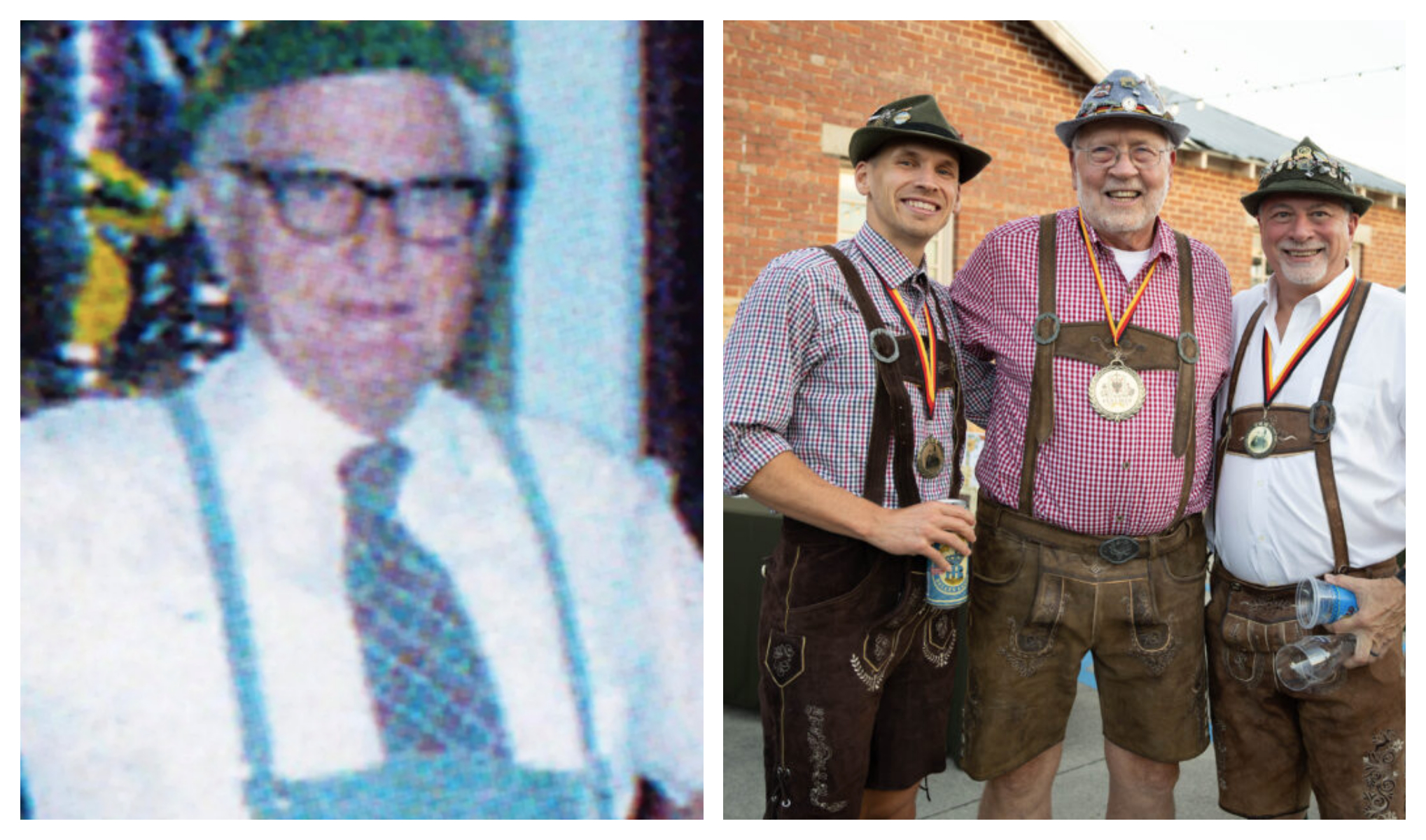
If you have visited Cullman during Oktoberfest, you know about the Burgermeister. It is tradition for the town to select an honorary community member to be the Burgermeister at the festival. They are appointed tasks such as wearing traditional German attire, working as the official festival ambassador and master of ceremonies and, at Oktoberfest, they have the honor of tapping the first keg.
Since Oktoberfest started in 1982, the keg had been filled with root beer – until 2011. In November 2010, Cullman went wet, about a month past the festival. So it was 2011 Oktoberfest that saw the first keg of real beer. That keg was tapped by Burgermeister Michael Sullins. Though root beer is still served during the event.
Last year, Cullman Parks, Recreation & Sports Tourism Executive Director Nathan Anderson explained, “The title of Burgermeister is more than ceremonial – it’s a symbol of civic pride, leadership and a strong connection to our city’s heritage. We consider individuals who embody those values, have a servant’s heart and have helped advance Cullman’s cultural, civic or community life.”
The German word “Burgermeister” in English means “master of citizens.” That adds an honorary historical element to the annual selection of a cherished local community ambassador, since Cullman was founded in 1873 by a German refugee named Colonel Johann Gottfried Cullmann. The first ever Cullman Burgermeister title would be given more than 100 years later to Carl Stiefelmeyer in 1982.
It is custom for male Burgermeisters to wear lederhosen and an Alpine hat, also known as Trachtenhut, with a feather. Lederhosen are knee-length trousers that, in this case, are paired with a button up shirt and held up by suspenders. Female Burgermeisters typically wear a classic Bavarian dirndl. This is usually fashioned of two pieces – the dress itself and an apron. In Bavarian fashion the dirndl blouse can be worn under the bodice.
Why lederhosen and dirndls? These were worn by 18th century servants and farmers in the Alpine regions of Germany. Men would wear leather breeches and women would wear cotton or linen dresses with aprons for household tasks.
The first Oktoberfest was held in Bavaria, Germany on Oct. 12, 1810. This was in celebration of the wedding of Prince Ludwig and Princess Therese. It now combines a beer festival in addition to fair festivities on the Theresienwiese from mid-September to the first Sunday in October.
This year there is a chance for you to enter your child to be the 2026 Kinderburgermeister of Cullman Oktoberfest. This will include being featured in opening ceremonies and kid-friendly festivities. You can nominate your child at www.cullmanoktoberfestival.com/kinderburgermeister through Aug. 27.
Cullman Oktoberfest will take place Oct. 1-4, at Depot Park.
Visit www.cullmanoktoberfestival.com for more information.