








CULLMAN, Ala. – August marks the beginning of the fall vegetable gardening season across much of Alabama, even as summer temperatures continue.
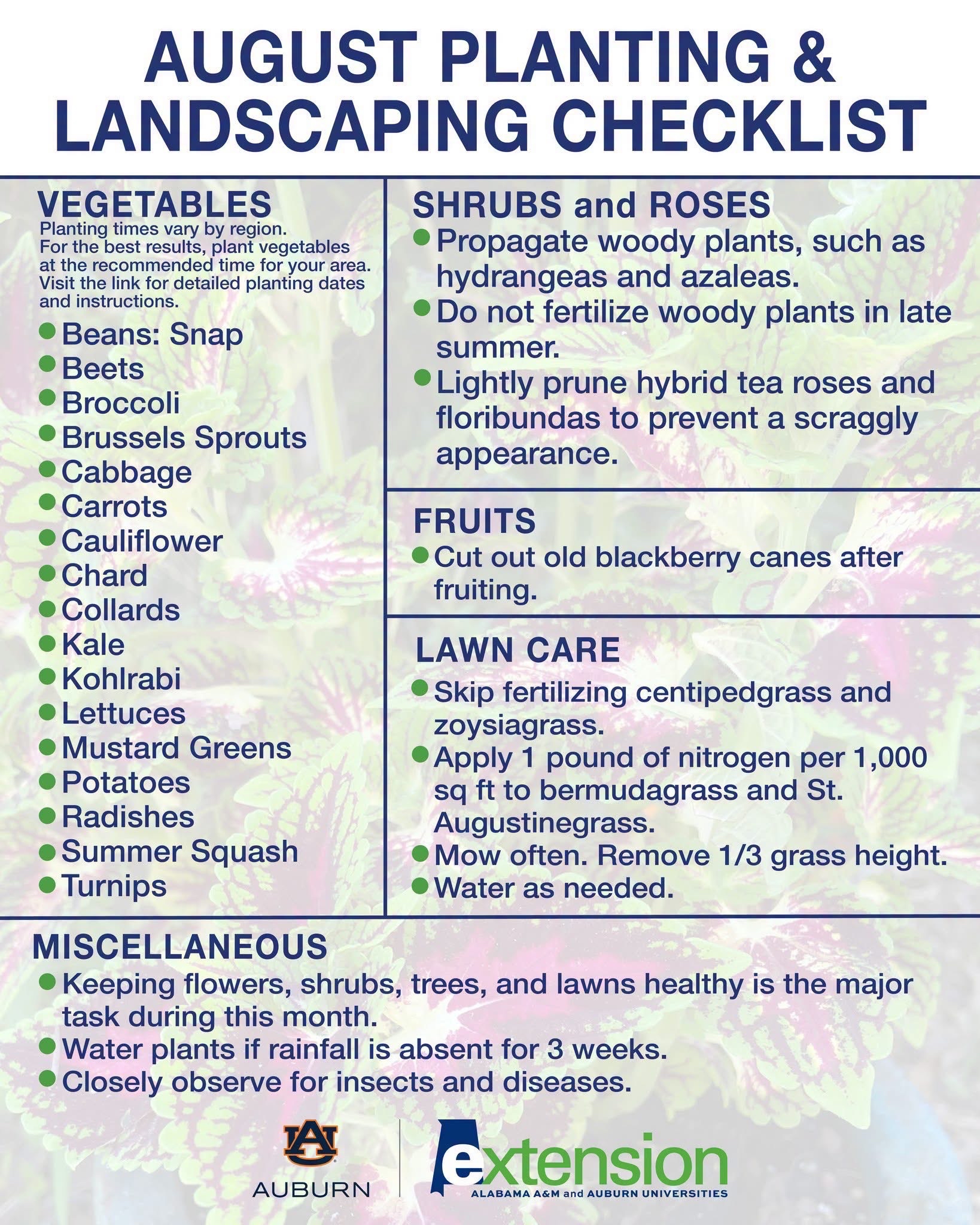
According to the Alabama Cooperative Extension System, gardeners in Cullman County can begin planting or preparing to plant beans, beets, broccoli, collards, kale, lettuce, radishes, squash, turnips and other vegetables during the month.
Planting dates vary by crop and region. Alabama Extension recommends that North Alabama gardeners consider local conditions, the crop’s estimated time to maturity and the expected date of the first killing frost when developing a planting schedule.
Some vegetables may be planted during the first half of August, while others perform better when planted later in the month or during September.
Alabama Extension’s vegetable calendar lists Aug. 1-Sept. 15 as the recommended fall planting period for beets in North Alabama. The recommended period for broccoli is Aug. 1-Sept. 1, while collards may be planted from mid-July through mid-October.
Recommended North Alabama planting periods also include Aug. 1-Oct. 15 for radishes, spinach and turnips. Gardeners should consult the recommendations for each crop before planting.
Beans and summer squash may also be planted during part of August. Because both crops are sensitive to frost, they must have enough time to mature before cold weather arrives.
Alabama Extension recommends continued planting of beans and squash across the state during August. Gardeners in central and northern Alabama may also continue planting beets, carrots, collards, kale, lettuce, mustard greens, Swiss chard, parsley, radishes and turnips.
Broccoli, cabbage, cauliflower and related cole crops require additional planning. In North Alabama, gardeners may transplant cole crops started during July rather than sowing every variety directly into hot garden soil during August.
Many fall vegetables produce their best flavor and quality as temperatures become milder. Fall planting can also extend the home harvest after tomatoes, cucumbers and other summer crops begin declining.
Before planting, Alabama Extension recommends removing spent summer plants, controlling weeds and preparing the planting area.
A soil test can help determine whether lime or fertilizer is needed. Extension specialists discourage applying soil amendments without testing because unnecessary fertilizer may damage plants or contribute to runoff.
Water management remains important during August.
Alabama Extension reports that vegetable gardens generally need 1 to 1.5 inches of water per week from rainfall and irrigation. Gardeners can use a rain gauge and check soil moisture to determine when additional water is needed.
Drip irrigation can deliver water directly to the root zone while limiting wet foliage, which may reduce conditions associated with some plant diseases.
Lawns and ornamental landscapes also require seasonal maintenance.
Bermudagrass and St. Augustinegrass may receive 1 pound of nitrogen per 1,000 square feet during August. Alabama Extension recommends avoiding August fertilization for centipedegrass and zoysiagrass and ending warm-season turf fertilization by the close of the month.
Homeowners should adjust their mowing schedules so each cutting removes no more than one-third of the grass blade, according to Alabama Extension.
Signs that turf may need water include a grayish color, folded grass blades or footprints that remain visible after someone crosses the lawn. Extension specialists caution that excessive watering can increase runoff, mowing needs and susceptibility to insects and disease.
Heavy fertilization of trees and shrubs should be avoided during August. Fertilizer applied late in the summer may stimulate new growth that does not have enough time to harden before the first frost.
Hydrangeas, azaleas and certain other woody plants may be propagated through layering during the month. Hybrid tea and floribunda roses may also be pruned lightly to control uneven or excessive growth, but Alabama Extension advises against heavy pruning.
Blackberry growers may remove old canes after the plants finish producing fruit. Removing the spent canes allows additional space for the newer canes that will support future production.
Regular inspections can help gardeners identify insect damage, plant diseases and heat-related stress before those problems become severe.
Residents with gardening questions may contact the Alabama Master Gardener Helpline at 877-252-4769 or submit an online help request. The service connects residents with Extension-trained volunteers who provide research-based gardening information.
The Cullman County Extension Office is located at 1714 Tally Ho St. SW in Cullman. Office hours are 8 a.m.-noon and 12:30-4:30 p.m. Monday through Friday.
For local assistance, call 256-737-9386. Jason Somerville serves Cullman County in home horticulture, while Cullman County Extension Director Kira Sims works in home and commercial horticulture.