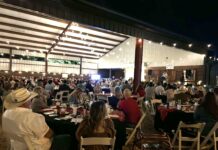

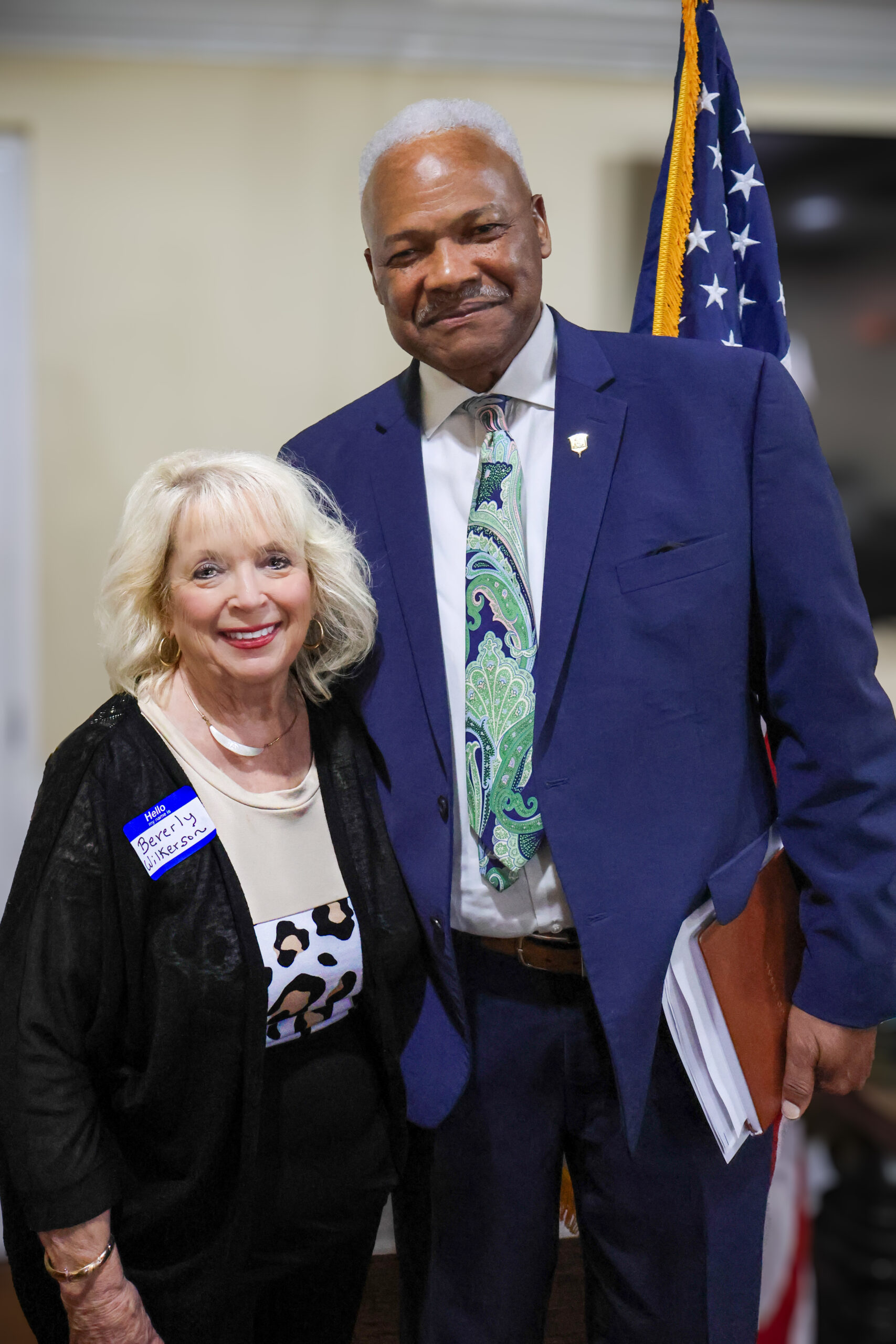
CULLMAN, Ala. – James C. Fields Jr. was the special guest speaker at the recent meeting of the Cullman County Historical Society. He spoke about the history of Colony.
Fields said Colony, a historically significant African-American community, was established shortly after the Civil War. Known for its resilience and rich culture, Colony wasn’t always part of Cullman County.
Fields said that when coal mines began opening nearby, the leaders of Cullman County sought to bring the mines into the county for economic reasons. To do so, they had to include Colony as well. This integration into Cullman County in 1873 marked the town’s formal inclusion in the county’s jurisdiction, even though it had existed as a separate African-American community for decades before that.
The land that is now Colony was not exactly what one would call good farming land, he said, and that alone was enough to discourage white settlers from the area. It had very poor soil. It wouldn’t be until after the Civil War that the land now known as Colony would soon be a beautiful community.
It is believed that the original settlers of the town were most likely freed enslaved people from Baltimore, Alabama. Those who originally settled there were given land as compensation for being slaves, with over 8,000 acres eventually cultivated as farm land. At one time, Colony housed nearly 4,000 people; today it’s only about 169.
Fields said that most people moved to Docena, Alabama to work in the coal mines. “A lot of my father’s brothers and a lot of the cousins, they moved first, along with Wayne Trimble’s dad. And they moved on towards Ensley.”
But that didn’t slow the people of Colony down. It’s estimated that in 1927 the Rosenwald School was built, due to the work of John Johnson and M.A Griffith. “He was field worker,” stated Fields, “and was instrumental in urging others, when they built the school, to come together to build it.” Fields said there wasn’t that much money available for the school to be built, just a meager $500. Adjusted for inflation, that would be about $9,000 today.
There were many other things built to sustain Colony such as a cotton gin, a steam mill, a sawmill and a grist mill. The first church was built by one of the Drennan family’s brothers, who was a Methodist pastor. That’s how Pleasant Grove was the first church built in Colony. Fields stated that at the time they were Methodist Episcopal Church of Zion because of what side of the Mississippi River they were on. It wouldn’t be until 1968 that they would merge with the United Brethren and become the United Methodist Church. He also mentioned Mr. Malfields, who opened a general store.
Fields said of his childhood home, “We had four rooms, no electricity until I was about 11 or 12, and I remember the one string running in and had one light hanging, and that was the light for the whole house. There was two beds in each room, and what we now call the living room and then the kitchen around the old wood stove.”
Fields said they bathe in the creek right below the house, and he told the audience about his experience with the family’s first washing machine. “I think my grandmother Merle was working for the oldest Dr. Stitt and he helped us get a washing machine. I remember getting my fingers hung into that ringer. And, you know, you’re standing there and you’re screaming, and your mother would walk up and say, ‘I told you not to do that. Don’t you know better!?’ and she’d laugh,” he chuckled.
He also reminisced about having to share the bed with his siblings. “Two beds in the bedroom, three of us in each bed and we would scuffle and fight, and mother would come in with, you know what, ‘the peace maker.’ The only tough time then was that if you had to go out and get your own, you better come back with a good one.” The audience laughed recalling the times they once had to do the same. He said the adults in his life kept him and others on the right path. “I attributed a lot to being born and reared in Colony, I attributed a lot to a lot of the adults that was in my life in Colony. I can’t think of one adult that mistreated me in any way. They corrected us. They made sure we stayed straight. They wouldn’t let you fight. If you did, you got a whoopin then and there. And then by the time you got home, you got a whoopin there. I don’t know how they communicated because there was no telephone.” This got a loud laugh from the audience.
Colony, according to Fields, was “truly blessed.”
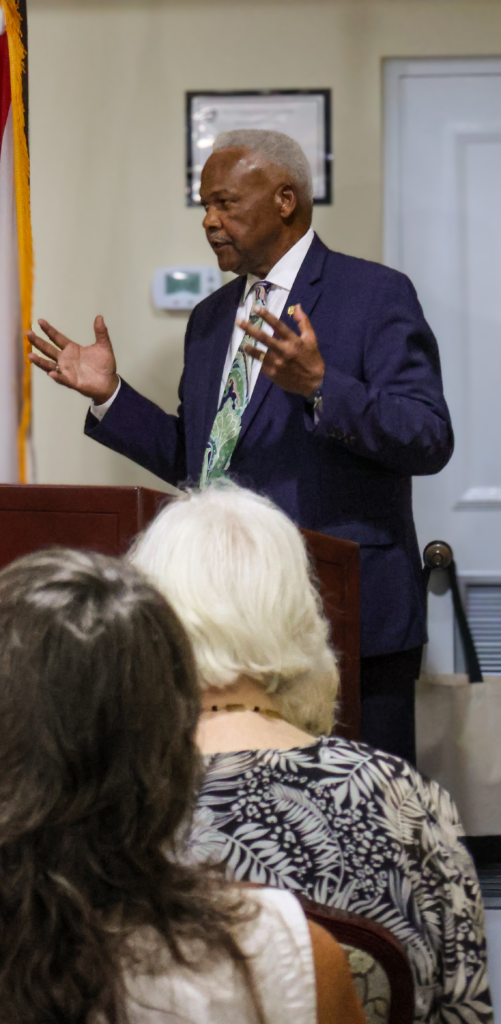
James C. Fields. Jr. (Emily McMunn/The Cullman Tribune)