







Summer is in full swing, and Alabama and Florida beaches remain popular vacation spots. If you traveled to the beach this summer, or at any point, you may have browsed a few souvenir shops!
There you can browse through keychains, keepsake sand, family photo boots, magnets and even request custom souvenirs such as airbrush shirts or hats. These shops even have beach themed items such as shells made into necklaces, windchimes and other variations of beach home decor.
Sand dollars, starfish and beach clothes for the remainder of the summer? It’ll all be there for the small cost of an arm and a leg!
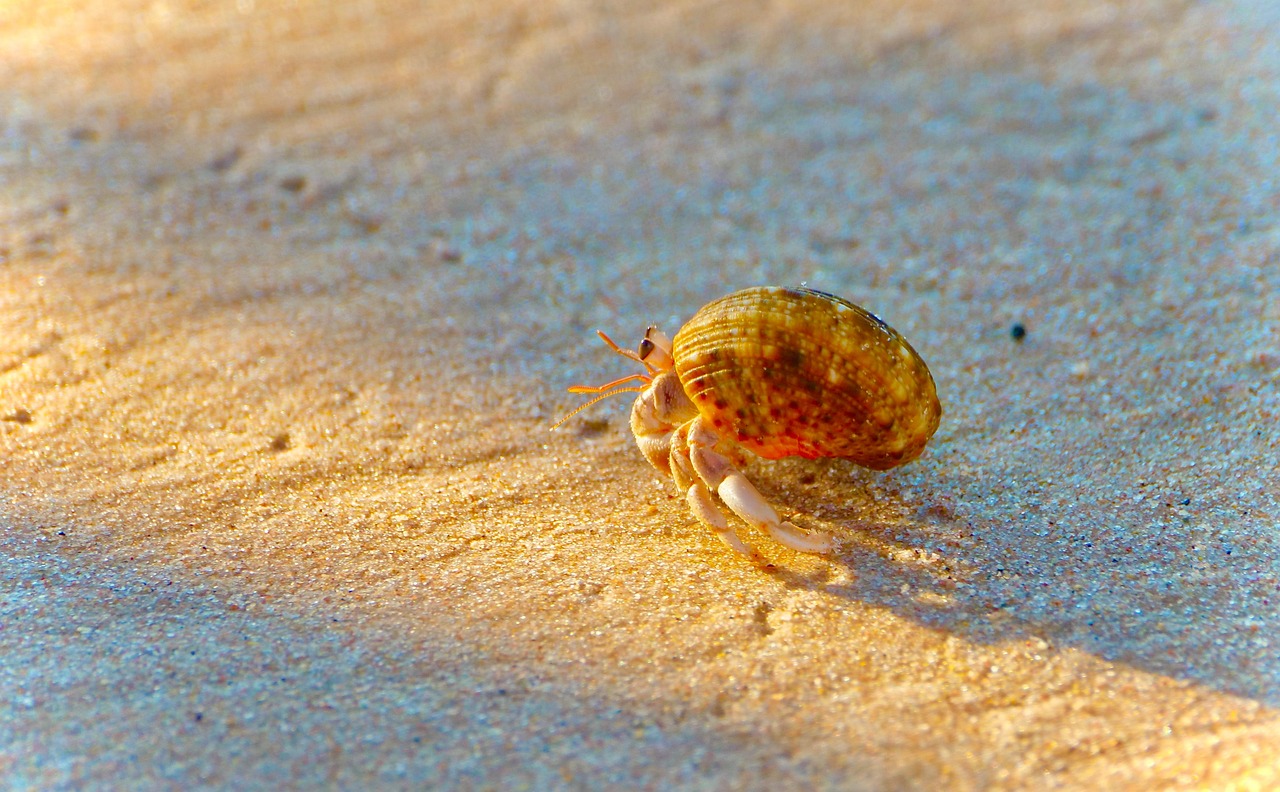
One item that may seem very out of place to find in a souvenir shop is hermit crabs! If you’ve ever been – this is no surprise to you.
They are typically placed in a large container among several painted shells or individually sold in travel crates.
Spoiler alert: these enclosures are too small and the paint is toxic for them. If they ingest paint, they will die. This includes paint on their shells and tank decorations.
Foods typically sold at pet stores are also toxic for them to consume. Hermit crabs need a specific combination for their meals or they will resort to cannibalism and eat their tank mates.
A complete hermit crab meal should include:
- 50% animal protein
- Plant protein
- Calcium
- Fat
- Fruit
- Veggies
- Harvestables
One hermit crab needs a 10-gallon enclosure, minimum! So, if you have two you should have a 20-gallon tank.
Also, hermit crabs are social critters and it’s recommended to have two. Not to say that having only one isn’t an option – just something to consider.
To have a proper enclosure you will need sand. The layer of sand will have to be deep enough for them to dig into in order to molt.
Something you may not have known is that digging up the crab while it’s molting can kill them. By doing this you expose their new exoskeleton to air and light, which causes fatal shock.
To reduce stress you should also have five shells per hermit crab in their enclosure. If you don’t provide this they will attempt to take each other’s shells, which – you guessed it – leads to fatality.
There is also a specific ratio of sand and eco-earth needed for their tanks as well as submersible saltwater/freshwater pools.
You want to replicate the natural environment they were taken from. Their tanks will have to have a certain humidity percentage in addition to things like a wheel for them to walk on since they would normally do so in the wild.
This also includes things for them to climb, hide in and natural aspects like plants.
If you brought home a hermit crab or want to get one, please do your part in researching beforehand.