







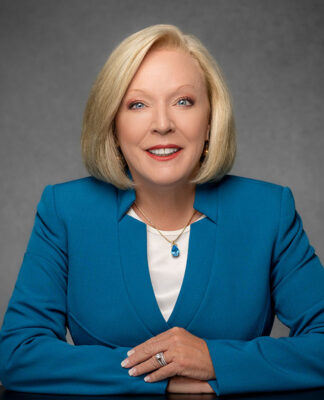

CULLMAN, Ala. – In October, local nonprofit Flourish of Cullman launched its online series “Rights in Real Life.” Founder and CEO Melissa Dew told the Tribune the series prompts readers to step into the shoes of those with differing disabilities.
Each story ends with, “What would you do?” The question, while simple, has a deeper meaning for Flourish and represents why the nonprofit exists.
Dew said asking the question, “What would you do?” helps those with differing abilities have a voice, make choices and be included in everyday life.
“As part of our Commission on Accreditation of Rehabilitation Facilities (CARF) accreditation process, we received a recommendation to provide education on individual rights. That helped spark the idea for a series that makes those rights relatable through everyday situations and invites the community into the conversation,” she explained. “Words like ‘dignity,’ ‘independence’ and ‘inclusion’ matter, but stories help us see what those words look like in practice. Sometimes something as simple as assuming someone would not enjoy an outing means they never get the opportunity to decide for themselves. We want readers to pause, consider whose voice is missing and think about how they might respond.”
As far as the transparency these stories provide, Dew said it comes from opening up conversations about situations that can be uncomfortable, or easily overlooked, “even when everyone involved has good intentions.”
This also helps the community better understand Flourish and what the organization does.
“Supporting someone means listening to what they want, respecting their choices and helping them access opportunities,” Dew said.
She also said that, while the stories are fictional, they reflect realistic situations. “That allows us to explore meaningful issues while protecting individual privacy. My hope is that readers feel comfortable sharing their perspectives and learning from one another.”
Ultimately, Flourish aims for the question “What would you do?” to stay with people beyond the post. “Whether we are an employer, neighbor, family member or friend, our everyday decisions can help someone feel heard, valued and included.”
Visit www.facebook.com/flourishofcullmaninc to read the “Rights in Real Life” series.
Dew spoke about a story in the series: “We Didn’t Think You’d Want to Go.”
Ask, invite and give people time
Dew noted that the message behind that story is that assumptions, even if they come from a kind heart, can leave someone out. Rather than assuming and deciding someone wouldn’t enjoy an activity or couldn’t participate – just ask.
“Without asking them, we take away their opportunity to choose. My biggest advice is to ask, invite and give people time. How we extend an invitation matters. Asking someone in front of a group may make them feel pressured to say yes or uncomfortable asking questions. A private conversation can give them space to understand the plans and make an informed decision.”
She provided an example: “If coworkers are going out to dinner after work, someone may want to know who is going, how much it will cost, how they will get home or whether someone they feel comfortable with will be there. They may be interested but unsure how to ask those questions.”
If you would like to include someone you could say, “A few of us are having dinner on Friday. Would you like to come? We can talk through the details, and you don’t have to decide right now.”
An important step in the series is starting conversations. This story helps readers to recognize that when someone needs more time starts with paying attention without making assumptions.
“They might pause, look toward a trusted person, repeat a question, say, ‘I don’t know’ or seem uncertain. Those responses do not automatically mean they are uninterested. You can ask, ‘Would you like more information or some time to think about it?’ Then give them a real opportunity to respond. Avoid filling every silence or answering for them.”
If you would like to be inclusive for those with differing abilities, Dew advised that it can help to offer the details in writing or pictures and agree on a time to check back privately.
“For someone who uses gestures, signs or a communication device, make room for their usual way of communicating. A trusted support person can help if the individual wants that assistance,” she said.
For activities outside work such as a birthday party, community event or a weekend outing, Dew pointed out that an invitation is only the beginning.
“Transportation, cost, unfamiliar surroundings or uncertainty about what will happen may affect someone’s decision. Asking, ‘What would help you feel comfortable joining us?’ can open that conversation.”
Keep inviting and engaging with the individual, even if they say “no” the first time.
“Respect their decision about that activity and ask again when another opportunity comes up,” Dew stated.
She noted that someone may pass on dinner, but may prefer to attend a ballgame, go bowling or visit a community festival. The “no” may not mean they don’t want to go to a public outing, but they may be waiting for just the right activity to feel interested and comfortable participating.
Dew reiterated, “Saying no to one invitation does not mean they never want to be included. Continuing everyday conversations also helps you learn about their interests and build a connection.
“At Flourish of Cullman, we want people with differing abilities to have opportunities to live, work and enjoy their communities with their own goals and choices guiding the way. That includes the right to accept an invitation, decline it, ask questions or take time to decide – and still feel welcome next time.”
Visit flourishofcullman.com for more information and to learn more about the nonprofit.