









CULLMAN, Ala. – A newly signed state law sets baseline standards for how dogs must be cared for in Alabama, with supporters calling it a long overdue step to prevent neglect before it escalates into abuse.
Known as Beau’s Law, the legislation was signed by Gov. Kay Ivey during the 2026 legislative session and focuses on ensuring dogs receive basic necessities, including food, water, shelter and safe living conditions. The law is set to take effect Oct. 1, 2026.
“This bill is about basic care, not overreach,” said Senate President Pro Tem Garlan Gudger, R-Cullman. “It ensures dogs have food, water, shelter and are not chained in dangerous ways. It gives animal control the ability to step in before suffering turns into cruelty cases. This is common-sense, humane and long overdue in Alabama.”
Local officials said the law addressed issues they already encounter on a regular basis, while also providing clearer authority to intervene earlier.
Rodney Banister, director of Cullman County Animal Control, said many of the cases his department handles already involve conditions the law was designed to prevent.
“Neglect cases commonly are ‘dumping dogs,’ no shelter and starvation,” he said. “We work several of these cases and they are arrested and sent to prosecution by the Cullman County District Attorney’s Office.”
Banister said tethering is often part of a broader pattern of neglect.
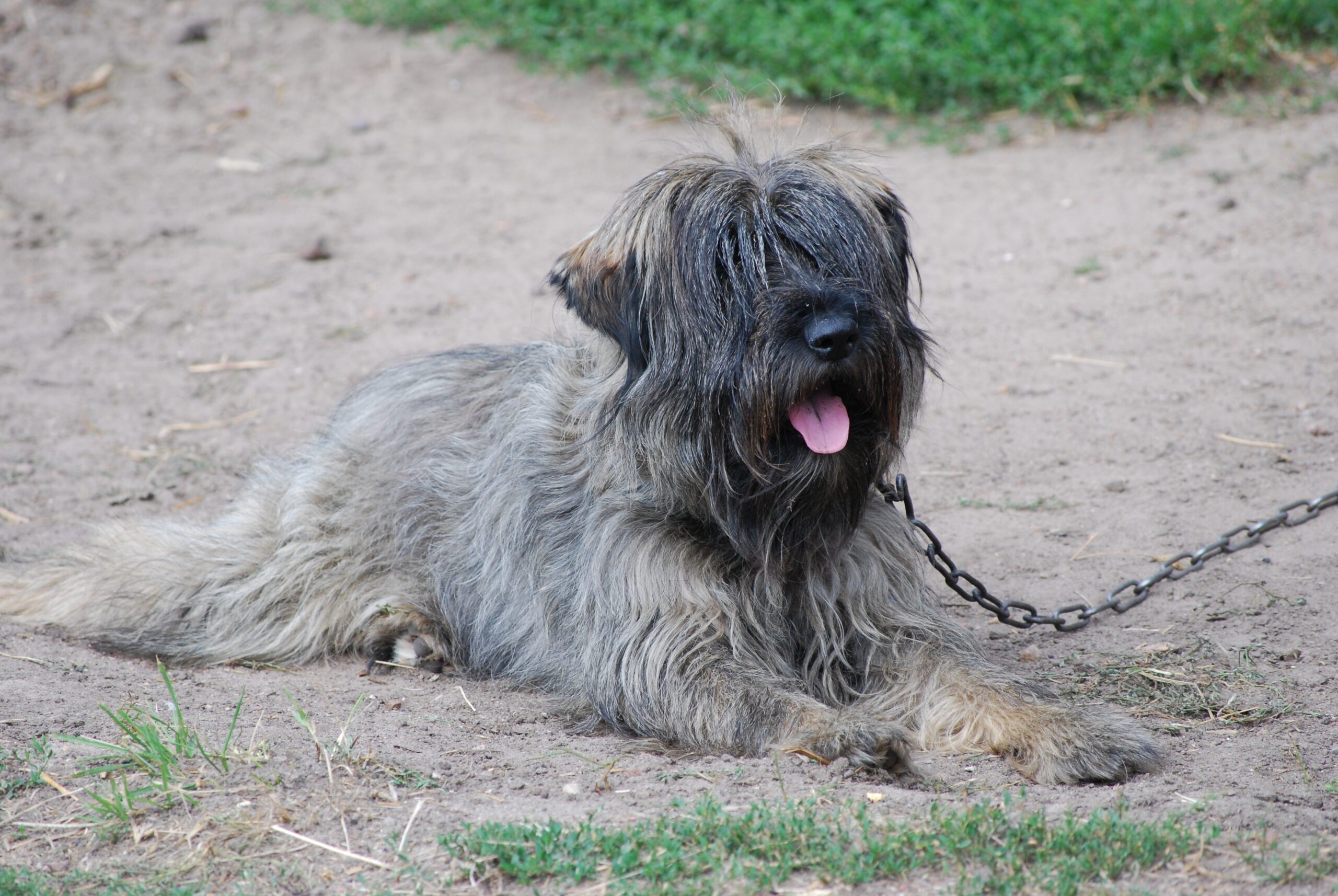
“Dogs tethered to stationary objects often get tangled and are unable to move around freely,” he explained. “This is often combined with improper shelter and lack of proper sustenance.”
One of the most significant changes, he said, is the clarity the law provides to enforcement agencies.
“This law addresses a very important problem. The main issue is it defines ‘shelter’; animal control agencies across the state have needed this for a long time,” he said. “This law also gives agencies the opportunity to cut down on people chaining animals outside and forgetting about them.”
Banister said the law could improve conditions through both education and enforcement.
“I believe this law will improve the overall well-being of animals in our county hopefully by educating the owners of animals. If not by educating them, then by giving us more authority by prosecution.”
He also encouraged residents to become familiar with the law before it takes effect.
“My hope is that the people of Cullman County will read this law, study it and adopt these practices before the law goes in effect Oct. 1, 2026.”
What the law requires
Under Beau’s Law, dog owners are required to meet minimum care standards, including:
- Providing consistent access to food and clean water
- Ensuring adequate shelter from weather conditions
- Keeping dogs in a secure, fully fenced enclosure
- Allowing enough space for the dog to move freely
The law also places new restrictions on how dogs can be tethered.
Dogs cannot be tied to a stationary object such as a tree or pole unless the system meets specific safety standards. Approved tethering systems must:
- Be properly sized and not excessively heavy
- Be attached to a properly fitted collar or harness
- Include swivels to prevent tangling
- Avoid causing injury or strangulation
The law explicitly prohibits the use of logging chains, choke collars and pinch collars in tethering situations.
What the law does not apply to
Lawmakers emphasized that Beau’s Law is not intended to interfere with legitimate animal care or agricultural practices.
The law does not apply to:
- Veterinarians, animal shelters or groomers
- Hunting, farming or dog training activities
- Temporary tethering in short-term, reasonable situations
- Dogs being walked on a leash
- Service animals
Enforcement and penalties
Violations of Beau’s Law could result in misdemeanor charges, with penalties increasing for repeat offenses.
Courts could also require offenders to cover the cost of care for affected animals.
Supporters said the law gives animal control officers the ability to intervene earlier, before conditions rise to the level of criminal cruelty cases.
Ivey said the law is intended to strengthen protections for animals while maintaining reasonable boundaries for dog owners.
Local shelter preparing for impact
At the Cullman County Animal Shelter, Director Andrea Hudson said early signs of the law’s impact are already emerging.
“I do see an increase in intakes coming into the animal shelter as it gets closer to October when Beau’s Law goes into effect,” Hudson said. “I think those who are unwilling or unable to comply will schedule voluntary surrenders.”
Hudson said the shelter is preparing to help educate the public ahead of the deadline.
“The shelter will play a role in educating the community of the new Beau’s Law going into effect,” she said. “We will be making frequent posts about the law to hopefully get the word out to our community on how to get into compliance before the law goes into effect.”
She said outreach would be important for residents who might struggle to meet the new requirements.
“We encourage the community to reach out to us if they are struggling to meet the requirements.”
Hudson also expressed support for the law and its long-term goals.
“I would like to also say thank you to Senator Garlan Gudger for championing this bill through,” she said. “No dog deserves to live life on a chain without the necessities to thrive and live. Beau’s Law gives us hope for a better future for the dogs in Alabama.”
Animal welfare advocates have long argued that Alabama lacks clear, enforceable standards for basic dog care, often leaving intervention limited until severe neglect or abuse occur.
Supporters of Beau’s Law said it fills that gap by defining minimum expectations while still allowing flexibility for responsible owners.
For Cullman County, officials said the law represents both an enforcement tool and an opportunity for education, giving residents and agencies clearer guidance on what constitutes proper care before situations escalate.