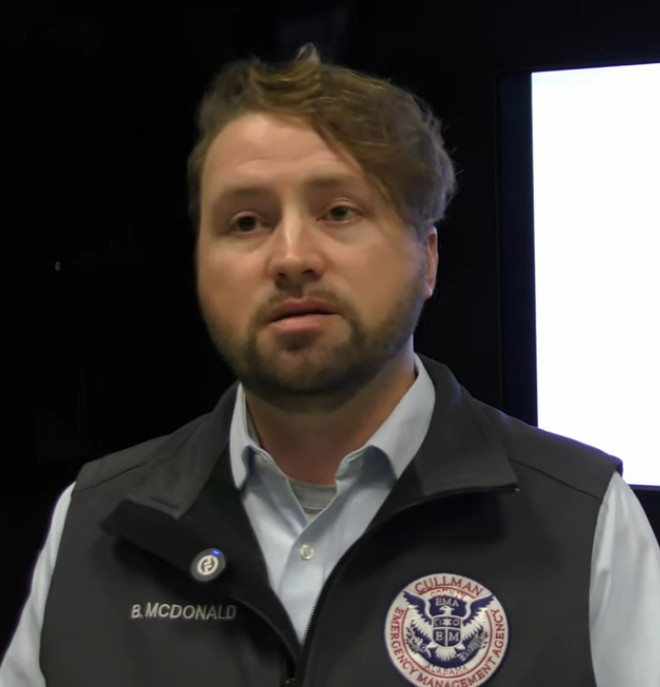
The following a guest article from Cullman County EMA Specialist Brent McDonald.
In emergency management, one thing has always remained constant: the responsibility to protect people before, during and after an emergency. What has changed — dramatically over the years—is how people expect to receive information, how quickly they expect it and the ways they engage with it. To continue serving our community effectively, we must be willing to evolve alongside those expectations. At the Cullman County Emergency Management Agency (EMA), adapting to the demands of today is not about chasing trends; it’s about meeting people where they are and ensuring critical information is understood, trusted and acted upon.
The way our community consumes information has shifted. Traditional methods such as printed flyers, long written statements or press releases alone are no longer enough. People today rely heavily on visual media — short videos, graphics, live updates and social media platforms — to stay informed. These formats are faster, clearer and more accessible, especially during emergencies when time and attention are limited. Recognizing this reality is not an admission that old methods were ineffective; rather, it’s an understanding that communication must evolve to remain effective.
I have personally has made a deliberate effort to embrace visual media and video as essential tools in our public safety mission. Through short informational videos, preparedness messaging and visual explanations of weather threats and emergency procedures, we can communicate complex information in a way that is easier to understand and retain. A well-produced video explaining severe weather safety or emergency alerts can reach more people — and make a stronger impact — than paragraphs of text ever could.
This transition would not be possible without the support provided through a recently awarded grant. That funding allows our agency to invest in the equipment, software and training needed to produce professional-quality visual content in-house. More importantly, it allows us to do so responsibly, accurately and consistently. This is not about flashy production or entertainment; it is about clarity, reliability and trust.
The impact of this grant extends far beyond the walls of our office. For Cullman County residents, it means clearer messaging during severe weather events, faster dissemination of emergency updates and improved preparedness education year-round. Visual media helps remove confusion during stressful situations. When people can see what is happening, understand what actions to take and hear directly from their local emergency management officials, confidence increases — and that confidence saves time, resources and potentially lives.
For the county as a whole, this investment strengthens resilience. A better-informed public is a safer public. When residents understand warnings, evacuation routes, sheltering guidance and preparedness steps ahead of time, emergency response efforts become more effective. First responders can focus on urgent needs rather than correcting misunderstandings or addressing preventable risks.
Adapting to today’s demands also reinforces accountability and transparency. Video communication allows the public to see the people behind the agency — the faces, voices and commitment of those working to protect them. That connection matters. Trust is built not just through action, but through communication that feels personal and honest.
Change is never just about adopting new tools; it’s about mindset. At Cullman County EMA, our willingness to adapt reflects our commitment to serve the community as it is today, not as it was years ago. By embracing visual media and modern communication strategies, supported by grant funding, we are strengthening our ability to fulfill our mission and better protect the people of Cullman County — now and into the future.