





HANCEVILLE, Ala. – Wallace State Community College is in the midst of a wide-ranging campus transformation driven by long-term planning, enrollment growth and evolving workforce demands, according to President Dr. Vicki Karolewics.
Karolewics said the current wave of campus upgrades began years before enrollment reached record levels and stems from the college’s ongoing institutional planning process.
Wallace State identified the need for facility improvements as many campus buildings dating back to the late 1960s approached the end of their useful life. Those needs were incorporated into the college’s 10-year campus master plan, which focuses on modernizing instructional spaces and expanding capacity to support future growth.
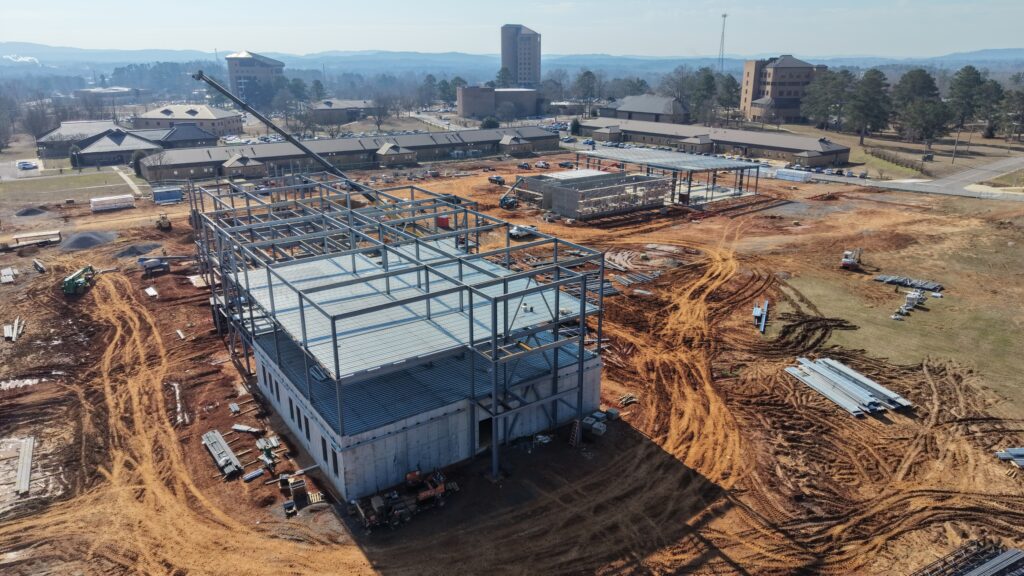
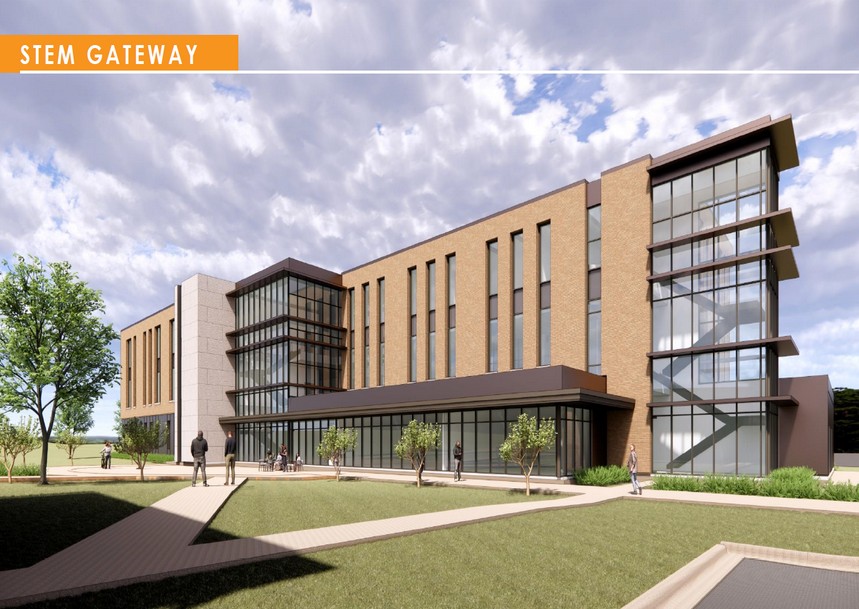
One of the most visible outcomes of that planning is the STEM Gateway Building, now under construction.
The building will centralize first-year courses such as English, math and chemistry and will include a digital learning center, tutoring and academic support services, new Culinary Arts facilities and a campus bistro.
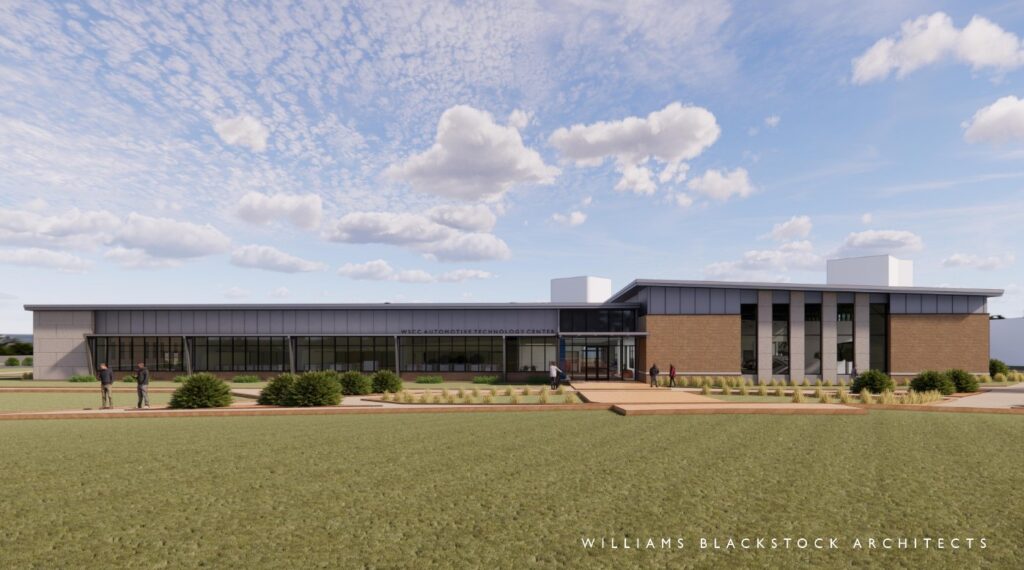
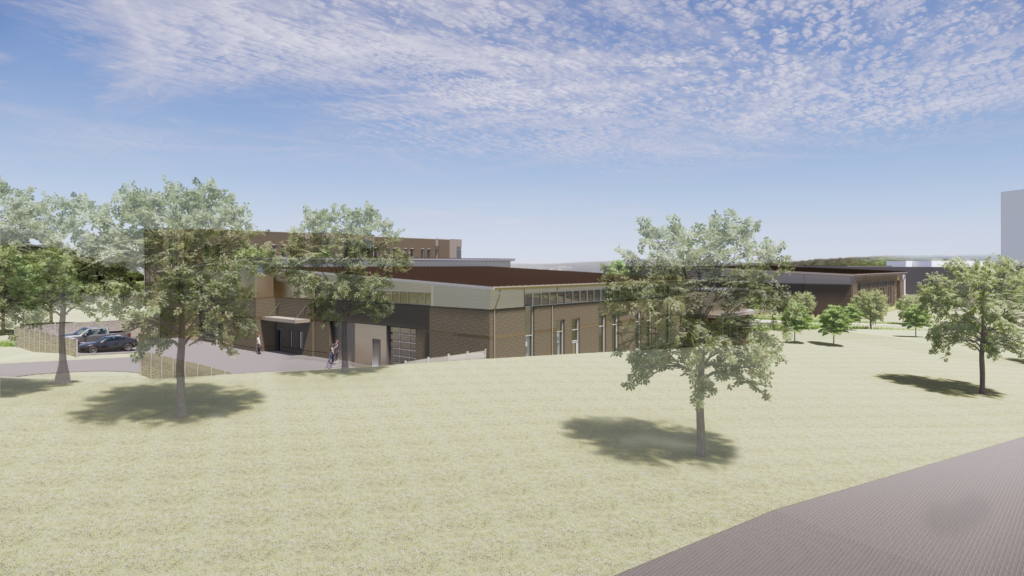
Additional projects include a new Advanced Automotive Technology building designed for electric vehicle training and a new facility for Precision Machining to accommodate modern equipment and growing enrollment.
“These programs have outgrown their existing spaces, and evolving workforce needs — particularly in areas such as EV repair — created an urgent need for upgraded, purpose-built facilities,” Karolewics said.
The campus master plan serves as a long-range roadmap guiding decisions about renovations, replacements and new construction.
Wallace State prioritizes projects based on instructional needs, workforce trends, building conditions and projected enrollment growth. While strategic priorities are updated regularly, the planning framework typically looks a decade or more into the future.
“Our campus master plan is a long-range guide that helps us prioritize renovations, replacements and new construction based on instructional needs, workforce trends and the condition of our aging 1960s facilities,” Karolewics said. “It reflects years of careful planning to modernize our campus and support the next generation of students and workforce needs.”
Many current projects stem from years of planning to replace aging infrastructure and position the college to meet emerging workforce demands in fields such as advanced manufacturing and electric vehicle technology.
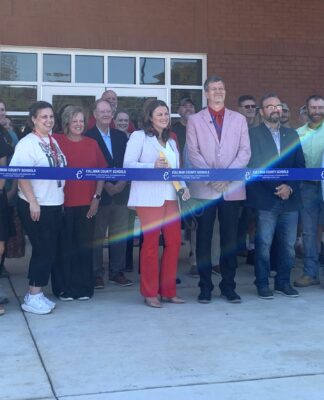
Those priorities were highlighted during the unveiling of nearly $49 million in capital projects, marking one of the most significant periods of facilities investment in the college’s history.
Several additional projects are already moving forward.
Wallace State received funding from the Alabama Legislature to support renovations to the Student Center and the Wellness Center, two of the most heavily used facilities on campus.
Both projects are currently in the planning phase, with design and scope development underway. Implementation is expected to follow once planning is complete.
Recent completed projects include upgrades to the Tom Drake Coliseum, such as new seating, flooring, acoustics and interior design, along with new turf installations for the baseball and softball fields. Those improvements represent approximately $5 million in recent capital investment.
Once renovations are complete, Karolewics said, students and community members will experience spaces that are more modern, functional and student centered.
In the Student Center, updates will include improved gathering areas, updated technology, flexible seating and refreshed spaces for student services and activities.
The goal, she said, is to create a true hub for campus life.
“The goal is to create a true ‘living room’ for the campus — a place to study, meet and connect,” Karolewics said.
Renovations to the Wellness Center will include updated equipment, improved instructional and workout spaces and enhancements that support expanded health, fitness and community programming.
Both buildings are expected to feel brighter, more accessible and better equipped to support increased use.
New instructional facilities for machining, STEM and automotive technologies were prioritized due to workforce demand.
Wallace State works closely with industry partners, workforce councils and statewide initiatives to identify areas of job growth and labor shortages. Programs in machining, advanced manufacturing, STEM and automotive technologies consistently rank among the highest-need fields in Alabama.
The new facilities are designed to provide students with hands-on experience using industry-standard equipment and technologies.
By upgrading these spaces, the college aims to prepare students for high-wage, high-demand careers while strengthening the regional workforce pipeline.
Funding for large-scale construction projects comes from a layered strategy that includes state appropriations, federal grants and institutional resources.
Karolewics said careful sequencing and conservative budgeting allow Wallace State to modernize facilities while keeping tuition among the lowest in the region.
State leaders and Alabama’s congressional delegation have played a key role in advancing the college’s facilities agenda by helping secure funding for major projects without increasing costs for students.
One of the most closely watched initiatives is Lions’ Village, a planned housing development designed specifically for student-parents.
Karolewics said the project addresses one of the most significant barriers facing student-parents: access to safe, affordable, family-friendly housing close to campus.
Many student parents juggle coursework, childcare, work and transportation, and housing instability often leads to stopping out before completing a degree.
“Housing was identified as a critical need because stability is directly tied to student success,” Karolewics said.
The idea for student-family housing emerged years ago as faculty and staff observed an increasing number of students balancing academics with parenting responsibilities.
Institutional data and national research confirmed that housing and childcare are among the most common barriers to persistence for student parents.
A typical Lions’ Village home will range from 250 to 500 square feet and be designed to accommodate two to four people. The neighborhood will include on-site childcare and a dedicated tornado shelter.
Lions’ Village will be located near campus, and residents will have convenient access to classes and student support services, including tutoring, the food pantry and mental health resources.
The on-site childcare center is being designed around the needs of students with nontraditional schedules, allowing parents to attend classes without childcare barriers.
Safety and emergency preparedness are also central to the project, with a dedicated storm shelter planned for residents.
Wallace State student-parents will be eligible to apply to live in Lions’ Village. A formal application process will be used, and financial need may be considered if demand exceeds available units.
To measure the program’s success, the college will track retention, course completion, credential attainment, housing stability, childcare utilization and student feedback.
Housing and childcare, Karolewics said, are essential to expanding access to education and strengthening the workforce, particularly for first-generation and rural students.
By removing these barriers, the college aims to help students remain enrolled, engage fully in campus life and complete programs that lead to in-demand careers.
Looking ahead, Karolewics hopes the current period of investment will be remembered for its lasting impact.
“I hope people will look back on this period as one of the most impactful in Wallace State’s history — one that created spaces where students and families felt supported, inspired and empowered to succeed,” she said. “I want these projects to be remembered not just for the buildings themselves, but for the generations of students whose lives they changed. Our overarching goal is to provide education that transforms lives and communities, and in doing so, we equip and empower every student to harness the power of opportunity.”