





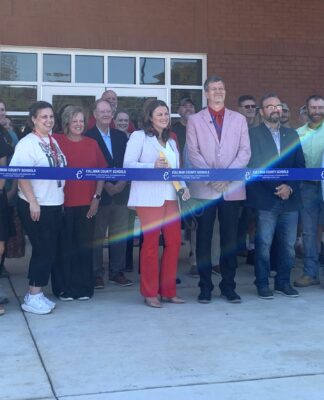

CULLMAN, Ala. – Mayor Woody Jacobs recently proclaimed October Domestic Violence Awareness Month in Cullman. The Willow Path, a local nonprofit that helps survivors of domestic violence, recently launched “Rocks of Solidarity” to help spread awareness.
Executive Director Jessica Atchley credited “Rocks of Solidarity” to Residential Shelter Director Leasia Murphee.
“She loves painting rocks,” Atchley explained. “She said, ‘We just need to spread positivity.’”
Conversations about domestic violence are not usually easy. Atchley said with the joyful painted rocks, The Willow Path is able to provide a positive image to the community.
As the rocks make their way across the community, they carry a very impactful message: survivors are seen and are supported.
What to do if you find one:
- Pick it up and read the message
- Share the message
- Re-hide the rock – take it somewhere new for the next person to find
You can also take a picture and tag #WillowPathRocks on social media, spreading awareness to more people.
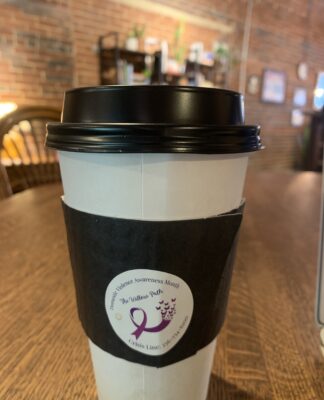
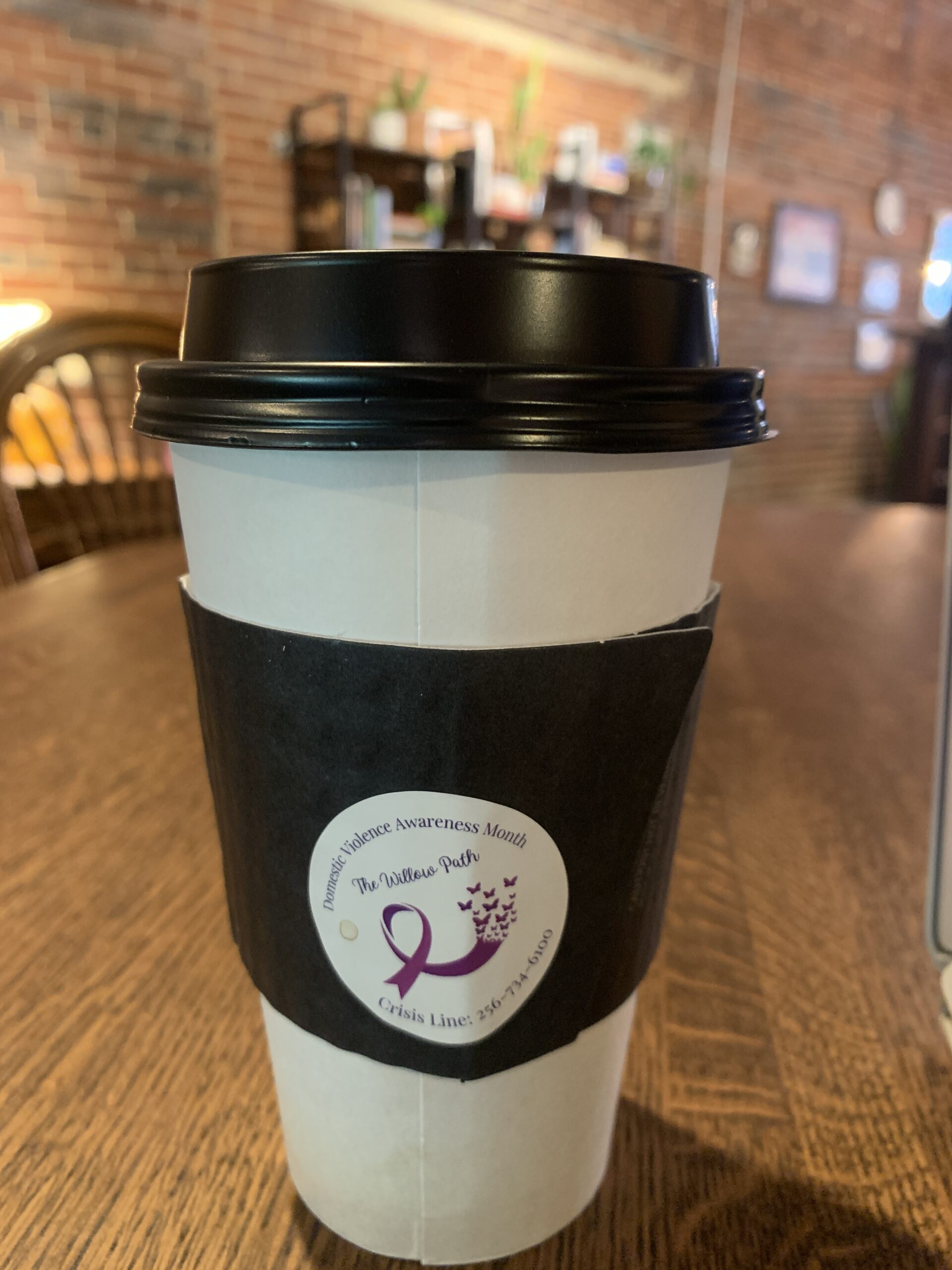
Karma’s Coffee House is partnering with The Willow Path by placing the organization’s Domestic Violence Awareness Month stickers on each cup of coffee. The stickers contain The Willow Path’s crisis line: 256-734-6100.
“This helps make it a part of everyday conversation,” Atchley remarked.
The stickers provide the opportunity for those who may need it to use it. It also opens the door for conversations.
The Willow Path urges that, as these acts of awareness lead to individuals sharing their stories, you shouldn’t ask questions such as:
- “Why did you stay?”
- “Why did you go back?”
- “Why didn’t you tell me?”
- “Why haven’t you left?”
If you want to support a survivor, instead try:
- “I believe you.”
- “This isn’t your fault.”
- “You don’t deserve to be treated this way.”
- “How can I support you?”
Knowing the signs of abuse can save you or a loved one. The Willow Path wrote, “Domestic violence doesn’t always leave a bruise.”
It can be various acts of controlling a partner. This can be preventing them from leaving their home and dictating where they are “allowed” to go. This possessiveness can go from monitoring their cellphone, messages and locations to controlling access to money.
A few more examples The Willow Path advised of that are signs of abuse:
- Threatening them, their children, their pets or the things they care about
- Constantly accusing them of cheating
- Isolating them from friends and family
- Making them feel afraid of what will happen if they say no
“Domestic violence is not defined by whether someone has been physically hit. At its core, abuse is about power and control,” they advised.
The best way to help someone is to be able to recognize abuse patterns. By doing this you can not only help support someone, but you can also save a life. Survivors need support and community to acknowledge the many ways that domestic violence can occur.
“Awareness is where we start. Action is what comes next,” the nonprofit stated.
If you or someone you know is a victim of domestic violence call The Willow Path’s crisis line at 256- 734-6100.
Find out more at www.thewillowpath.org.