










Moths are unsung heroes of the ecosystem, they pollinate plants, feed wildlife, recycle nutrients and serve as health indicators.
They are important pollinators for nighttime flowers and other vegetation like primrose and moonflowers. Even day-flying moths help pollinate plants much in the same way as hummingbirds. Gardenia flowers, Yucca plants and mountain mint are just a small few of the plants that get pollinated by moths.
Night owls, night hawks and bats are a few that rely on moths as feed while robins, bluebirds and swallows rely on moth larvae and also woodpeckers, who are very effective at maintaining moth population. Even small mammals, reptiles and amphibians eat moths.
Most moth larvae are voracious eaters, consuming large amounts of plant material such as leaves, stems, flowers and roots. It also helps break down plant matter, making nutrients more available to the soil. When they die, their bodies decompose, returning nutrients to the soil. Some adult moths also feed on animal waste or other organic matter, further contributing to the cycle.
Moths are sensitive to environmental changes, making them bioindicators of ecosystem health. They help us understand how our environment is doing; if they aren’t around that tells us that perhaps our environment is too polluted or perhaps habitat quality is too low. However when you see them fluttering in the night that’s a good indicator that the environment is thriving.
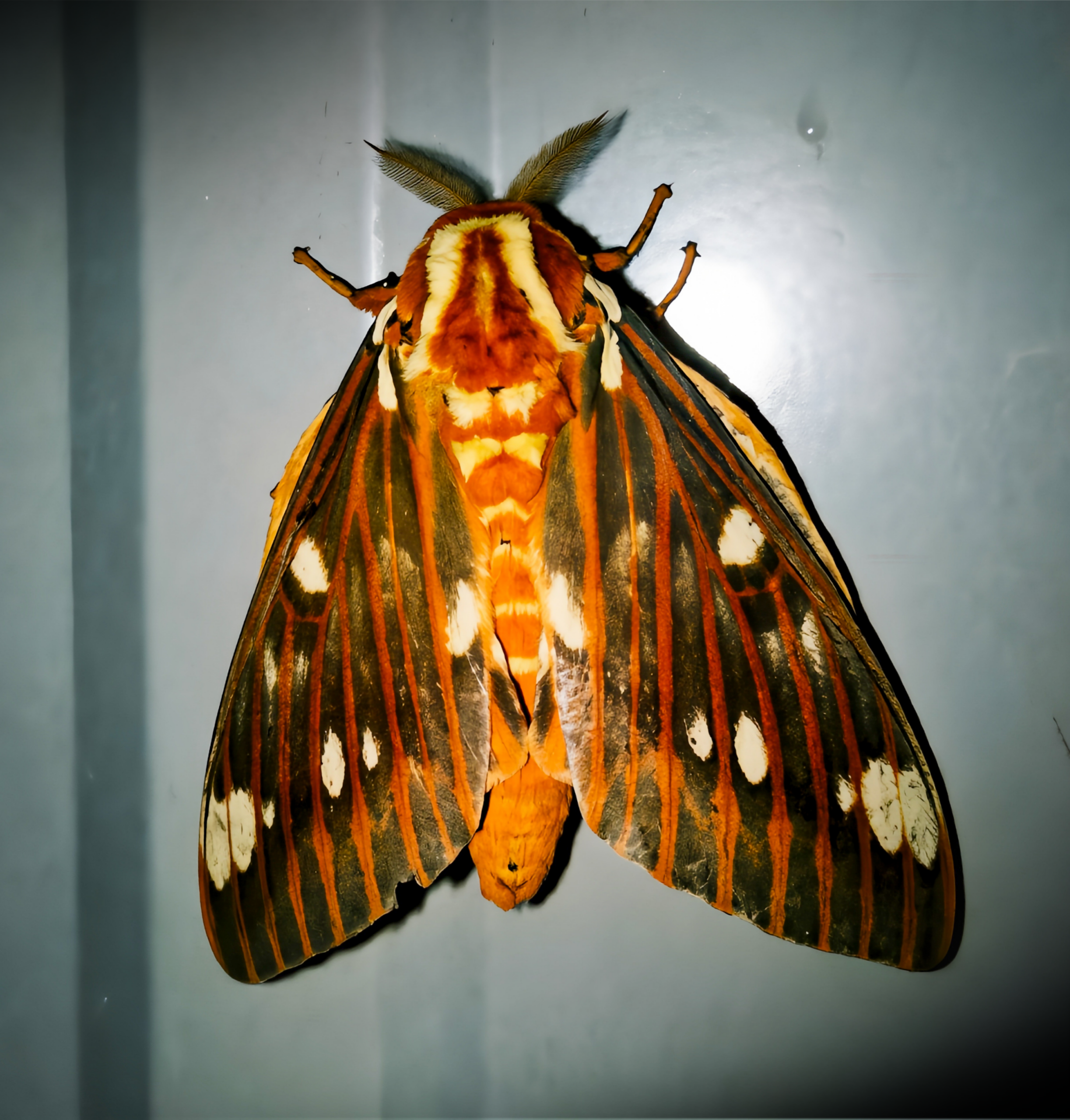
Moths are beautiful; they bring drama and mystery to our night skies and turn our gardens into nightly fairytales. With patterns that look like eyes and shimmering silk like wings, how could anyone want to hurt these beautiful night fairies?
Unfortunately, we hurt moths without even realizing it. Human activities that contribute to climate change can alter moth habitats and life cycles. Weather events, such as droughts, floods and wildfires can destroy moth populations by damaging host plants or their breeding grounds.
Moths have many natural predators, including birds, bats and other insects. Human activities that reduce predator populations can indirectly harm moths by removing their natural controls, but in some cases, it can also lead to moth population booms if predators are reduced too much.
Humans can harm moths through habitat loss, chemical exposure, light attraction, collection, climate change and direct pest control measures. These actions can reduce moth numbers, disrupt ecosystems, and affect the many ecological roles moths play, such as pollination and serving as food for other species.
So how do we attract moths to our homes to help our flowering gardens? Well, you could start by setting up lights, but not just any lights – black lights or mercury vapor lamps. You could also
make a bait; moths are attracted to fermenting sugars like overripe fruit or tree sap. A simple mixture of different things including rotting fruit, sugar, molasses or even beer can be placed on tree trunks for easy feeding. Nectar-rich flowers are also a good option if you are blessed with a green thumb.
As previously stated, evening and night flowers are best to get a moth’s attention. A lot of the same flowers that attract butterflies work for moths as well. If you have honeysuckles close to your house or night-blooming jasmine you’ll most likely see moths at night.
Moths are most active on warm, humid nights and when the moon is new, so there’s less light. Viewing moths can be a fun summer science experiment you can do with the younger generation in your family. You can hang a white cotton sheet up and use a black light or a mercury lamp. Teaching children about moths is important because moths are vital to ecosystems, rich in educational value and a gateway to understanding biodiversity.