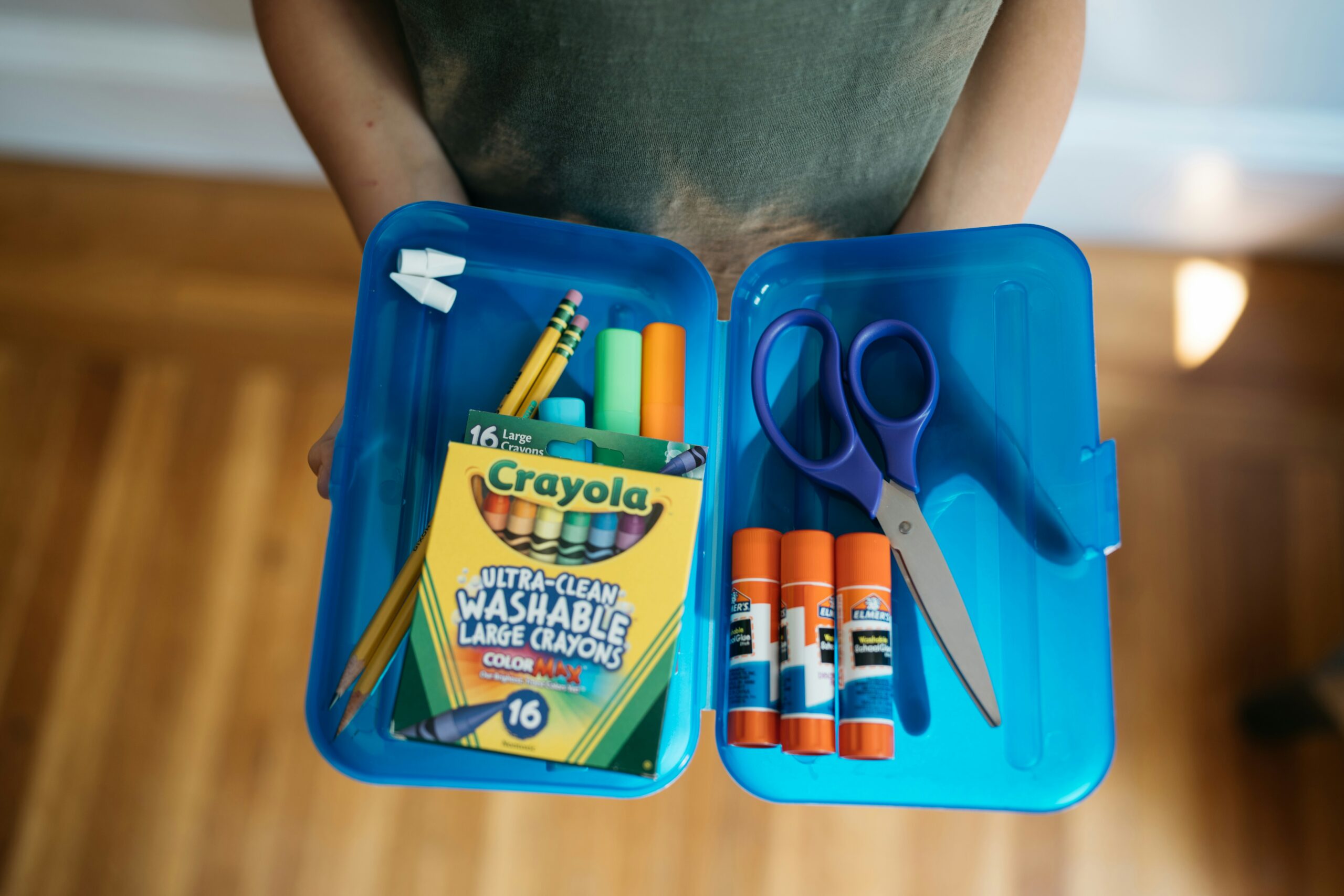
Wrapping up summer fun and preparing to head back to school can cause stress for both students and parents. Find comfort by easing into the emotional and hectic new school year with some practical advice and encouragement!
Preparing for success: Lunchboxes and supply lists
Keep an eye on school websites and social media pages for updated supply lists, and go shopping together! Letting students help in the selection of their supplies teaches them responsibility, and the personalization increases their sense of pride.
Plan ahead for your school day meals. Creating a weekly meal schedule helps simplify mornings and evenings (plus saves money on grocery trips!). Consider using leftovers for next-day lunches or taking advantage of services offered by the school system. Cullman County Schools has already announced it is excitedly offering free breakfast and lunch to all students throughout the week!
Lastly, try to make it both healthy and fun! Be sure to incorporate a balance of protein, fruit and whole grains into packed lunches and consider adding a fun note, sticker or treat to your student’s lunchbox or backpack as a special surprise!
Organizing the chaos: Routines and readiness
It is important to establish a consistent routine early on. Setting wake-up and bedtime routines before school begins will help make the transition easier. Creating morning or evening checklists for younger children can help them with these routines. Consider including items such as brushing teeth, eating breakfast or reading a story to the checklist.
Creating a central communication station can help ensure the whole family is on the same page. Consider purchasing a wall calendar or using a digital platform such as Google Calendar to keep track of school events, assignments and appointments. This area can also be a great place to organize school essentials such as backpacks, homework folders and permission slips. Some families also use this place to set up a charging station for all their electronic devices. This helps students stay true to bedtime routines, not be tempted to stay up late on their devices and have them charged and ready for the next day!
Keep your expectations realistic. Mornings won’t always go perfectly. It’s important to emphasize progress, not perfection.
Supporting emotional transitions
First-day jitters and back-to-school nerves are to be expected! Normalize these feelings by talking about them. Ask your child, “What are you most nervous about?” and put a positive spin on it by asking, “What are you most excited about?” Asking open-ended questions will help get your kids talking!
Remember, confidence starts at home. Whether it’s picking the first day of school outfit or practicing those multiplication tables, it’s important to praise effort, not just outcomes. Celebrate the wins and support them through the roadblocks. Some helpful advice is to use the PSP method: praise, suggestion, praise. If things aren’t going quite right, point out what went well first, give a suggestion on how to improve and conclude by reiterating that you are proud of the hard work they are putting in.
Next up, establish a relationship with your student’s teacher early on. Reach out and let them know if you have any concerns about your child prior to the year starting, and ask if there are ways for you to get involved to help in the school or classroom. Remember you are both on the same team, striving for the same goal – the success of your student!
Letting go: Encouraging independence
Giving your student age-appropriate responsibility is the first step to encourage independence.
For younger students, this might mean picking between two weather-appropriate clothing options or helping place snacks and supplies into their backpacks. As children grow, they can take on more responsibility by managing a morning checklist, organizing their homework folder or making simple lunch choices. These small, consistent tasks build confidence, decision-making skills and a sense of ownership over their routines.
Support students from a distance. For example, create an expectation for older students to keep track of their own homework and grades, but check their status on parent portals and get involved when things start to slip.
Consider setting boundaries for students’ social interactions, both online and in person. Installing apps like Bark, Boomerang or Qustodio on their electronic devices allows you to set up restrictions to keep students safe without having to micromanage every interaction.
Being available but allowing the space for growth and mistakes is essential to cultivating independent learners.
Remember that the start of a new school year is an exciting time! Each day, you’re celebrating new milestones as a family – a first bus ride, successful grades and positive comments from teachers. Acknowledging each small victory and keeping the school a positive, shared experience will benefit the whole family.