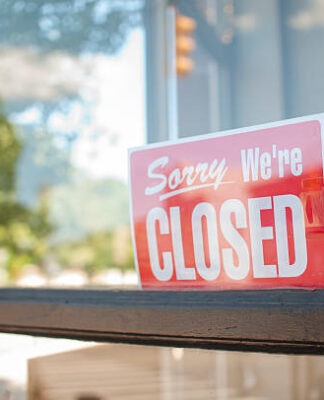










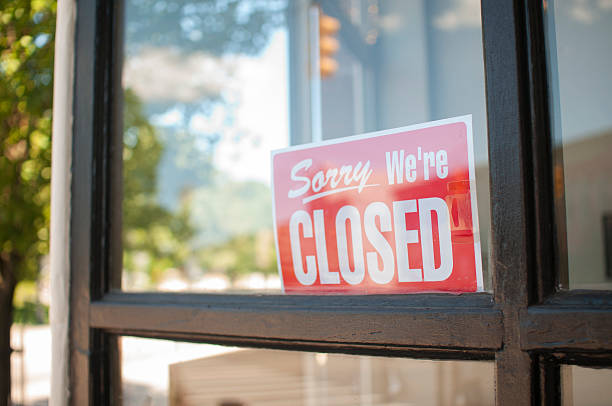
CULLMAN, Ala. – Over the past several months, Cullman has seen a growing number of familiar restaurants close their doors, leaving vacant storefronts, disappointed customers and questions about the future of the city’s dining industry. However, beyond the loss of favorite gathering places, the closures have brought attention to another concern: the employees whose livelihoods depend on these businesses.
Since August, at least six Cullman restaurants have announced or completed closures, including KFC’s south Cullman location, Puckett’s Restaurant, Wissota Chophouse, Lucy’s on 3rd, Augusta’s Sports Grill and Shrimp Basket.
While the circumstances surrounding each closure differ, the concentration of shutdowns within a relatively short period has raised questions about the challenges facing local restaurants and what happens to their employees when operations come to an end.
A series of closures
One of the first major closures came in August, when the KFC restaurant in South Cullman Shopping Center served its final customers Aug. 16. The closure marked the end of the Kohl and Weir family’s 58-year history operating KFC franchises.
Owner Kent Weir cited slowing business, changing consumer preferences and increased competition as contributing factors. The KFC on Alabama Highway 157 remains open under separate ownership.
“This has been an extremely difficult decision,” Weir told The Cullman Tribune in August, noting the growing number of businesses competing for customers in the area.
Less than a month later, Puckett’s Restaurant announced it would close its Cullman location Sept. 18, ending nearly four years of operation.
Parent company A. Marshall Hospitality attributed the decision, which also affected its Hendersonville, Tennessee, location, to economic pressures and a shift toward strengthening its established restaurants. The company stated that it was working with affected employees to provide alternative opportunities and transition assistance.
In its September announcement, A. Marshall Hospitality CEO Claire Crowell expressed appreciation for the communities and employees who supported the restaurants.
“We want to thank the Hendersonville and Cullman communities, particularly our incredible staff and guests, for their support over the last few years,” Crowell said.
Just days later, Wissota Chophouse announced that Sept. 26 would be its final day of business. The restaurant, located inside Cobblestone Hotel & Suites, had operated for approximately two and a half years.
Although a specific reason for the closure was not disclosed, the restaurant indicated that a new dining concept could eventually occupy the space. Details about the future operation and whether existing employees would have opportunities to return were not announced.
In its farewell announcement, Wissota acknowledged its employees, stating, “We are incredibly grateful for everything our team has contributed and for the role they have played in making this place what it has been.”
Lucy’s on 3rd, formerly known as Carlton’s Italian Restaurant, also announced its closure in September. In a heartfelt farewell to customers and employees, the owners thanked the community for its support and acknowledged the difficulty of ending the business.
In the announcement, the owners reflected on the relationships formed throughout the restaurant’s operation and expressed gratitude for the employees who helped make it possible.
“To our employees, past and present, thank you for the hours, the hard work, the laughs, the crazy days, and everything you gave to Lucy’s. We could not have done it without you,” the restaurant’s farewell message stated.
October brought another loss when Augusta’s Sports Grill closed after approximately 11 years of serving Cullman customers, with its final day reported as Oct. 24.
In its farewell announcement, Augusta’s thanked its customers, friends and employees for more than a decade of support, describing the restaurant as a place where friendships were made, families gathered and memories were created.
Most recently, Shrimp Basket closed its Cullman location Nov. 1 as part of a larger restructuring by parent company Artistry Restaurants. The company closed six restaurants across Alabama and Florida, affecting approximately 100 employees across the locations.
The company said it plans to concentrate its resources on its remaining beach and coastal restaurants.
Artistry Restaurants CEO Bryan Lockwood described the decision as difficult, explaining that the company believed returning its focus to coastal markets would better position the brand for long-term success.
“While never an easy decision, it is our responsibility to the team and our guests to ensure the continued strength of the Shrimp Basket brand,” Lockwood said in a statement.
Beyond the empty buildings
For customers, a restaurant closing may mean finding a new favorite lunch spot or saying goodbye to a place filled with memories. For employees, however, the consequences can be considerably more immediate.
Restaurant workers often rely on consistent schedules, hourly wages and tips to meet everyday expenses. An unexpected closure can leave employees facing an abrupt loss of income while searching for new employment.
For longtime Shrimp Basket employee Ashley Humphries, the closure came without warning, just days before she would have celebrated seven years with the restaurant.
Humphries said employees were called to a mandatory meeting at 9 a.m. Monday, Nov. 2, without being told what the meeting would entail. Upon arriving, she said she discovered that food and bar products had been removed overnight.
“When we walked in, the bar was completely empty. All of the products from the bar and the back of the restaurant had been removed overnight, and that was the moment I knew it was over,” Humphries said.
According to Humphries, employees were then given paperwork stating that the restaurant had permanently closed, effective the previous day.
“We deserved the opportunity to prepare for what was coming,” she said.
In a statement provided to The Cullman Tribune, Shrimp Basket confirmed that all 15 employees at its Cullman location were notified of the closure Monday, Nov. 2, one day after the restaurant’s final day of operation.
The company also clarified that while most food products had been removed, much of the restaurant’s equipment, tables and chairs remained in place.
Shrimp Basket attributed the closure to continued financial underperformance, explaining that the Cullman location and other affected restaurants had been struggling when the company acquired them.
“Unfortunately, despite the investment in training, menu updates, operations and marketing that was made over the last six years to help all of the locations succeed, we did not see a turnaround and had to make the difficult decision to close the inland locations and focus on the beach and coastal locations,” the company stated.
While Humphries acknowledged that business had been slow, she said the permanent closure still came as a surprise.
“I can’t say that I knew we were going to close, but I did know business had been slow. Even with that, I never expected the restaurant to close permanently, especially without any notice,” she said.
Regarding assistance for displaced workers, Shrimp Basket stated that all affected employees were offered opportunities to transfer to other locations and received informational packets identifying local resources.
Humphries confirmed that employees were provided information about local career centers, unemployment assistance and food banks. However, she said the transfer opportunities involved applying for positions at beach locations, with no guarantee of employment.
“No severance was offered. We were given the opportunity to apply for positions at beach locations and were told we would be heavily considered, but employment was not guaranteed,” Humphries said.
The company also reported that three of the four general managers across the affected locations accepted transfers. According to Shrimp Basket, the Cullman general manager declined an offer to relocate.
For Humphries, the loss extends beyond her paycheck. After nearly seven years, she said her coworkers and regular customers had become like family.
“I’m grieving the loss of that just as much as I’m worried about what comes next. I have a family to take care of, and suddenly losing your job with no warning is a lot to process,” she said.
Although she acknowledged that restaurant operators sometimes face difficult business decisions, Humphries said she wished employees had been given more time to prepare.
“A little communication could have made a huge difference,” she said.
The circumstances surrounding Shrimp Basket’s closure highlight the challenges employees can face when businesses shut down unexpectedly.
The amount of advance notice provided to employees at Cullman’s other recently closed restaurants has not been independently established in every case. Public closure announcements also do not necessarily indicate when workers were first informed.
The distinction is important, particularly when employees may be balancing rent, utilities, transportation costs and other financial obligations that do not disappear when a restaurant closes.
Even a short interruption in employment can create financial difficulties for workers who depend on regular paychecks.
Why are restaurants closing?
The recent closures do not appear to have one single explanation.
Some operators have specifically cited economic pressures, while others have pointed to increased competition, changing customer habits or decisions to restructure their businesses.
Cullman’s continued commercial development has brought additional dining choices to the area, creating opportunities for consumers while increasing competition among restaurant operators.
At the same time, restaurants face expenses associated with food, labor, utilities, insurance and maintaining their facilities. Changes in customer spending can make those costs increasingly difficult to manage.
However, without financial information from individual businesses, it would be difficult to attribute the entire series of closures to any one factor.
The closures also do not necessarily indicate that Cullman’s restaurant industry as a whole is declining. New dining concepts continue to express interest in the community, including Beignets & Brew, which has announced plans for a Cullman location.
What comes next?
For former employees, the immediate concern is often finding another source of income.
While some workers may be able to secure positions at other restaurants, others could face challenges finding comparable hours, wages or schedules.
Alabama’s unemployment compensation program may provide temporary assistance to eligible workers who lose their jobs through no fault of their own. Eligibility depends on individual circumstances and state requirements.
As Cullman’s dining landscape continues to change, the recent closures highlight the importance of considering not only the businesses leaving the community, but also the people who helped keep their doors open.
Behind every restaurant sign taken down is a workforce of cooks, servers, dishwashers, hosts and managers whose contributions helped shape the experiences customers remember.
And while the community may eventually welcome new restaurants into those vacant spaces, the workers affected by the closures must navigate what comes next long before those doors reopen.